Selecting the right repellent format is crucial for balancing skin safety with effective pest deterrence. This guide explores the technical specifications and practical usage of disposable wipes to help you maintain a bug-free environment during your outdoor adventures.
💡 Expert Usage Tips
- Apply to skin until a visible sheen is present to ensure total coverage; missing even a small patch can allow insects to bite.
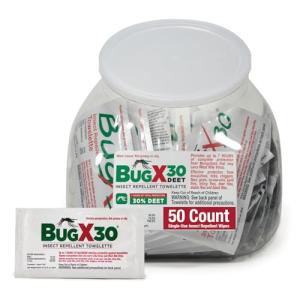
- When using DEET-based wipes, avoid touching plastics like sunglasses, watch faces, or smartphone screens, as the chemical can act as a solvent and cause damage.
- For plant-based formulas, plan for frequent reapplication (every 90–120 minutes) as botanical oils evaporate faster than synthetic alternatives.
- Use the wipe's wrapper as a protective barrier for your palm during application to keep your hands clean for handling gear or food.
🛡️ Material & Durability
Most premium repellent wipes utilize spunlace non-woven fabric or 45 GSM textiles. These materials are engineered for a high absorption-to-release ratio, ensuring the repellent moves efficiently from the cloth to your skin without shredding. For heavy-duty use, look for cross-lapped fibers which resist tearing on rough clothing or hiking boots. Proper storage is key; many homeowners keep their seasonal supplies organized in heavy-duty plastic bins to prevent package compression and accidental leaks.
✅ What to Look For & ⚠️ What to Avoid
Essential Must-Haves:
- Foil-Laminate Packaging: This is critical for preventing the evaporation of volatile oils and ensuring a 2-3 year shelf life.
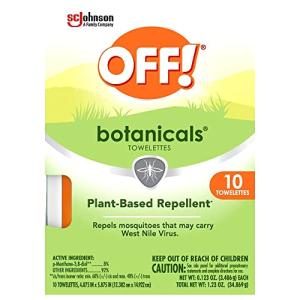
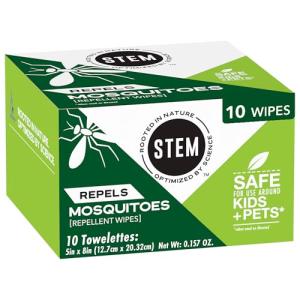
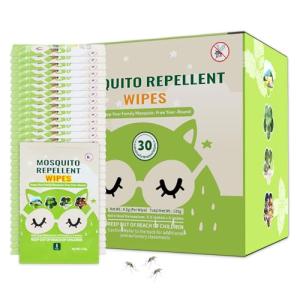
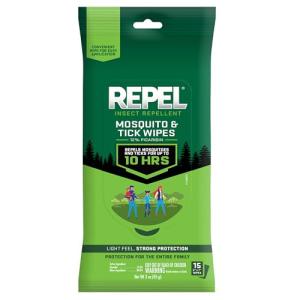
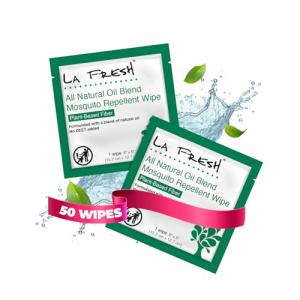
- Picaridin Options: A great choice for those who want to protect expensive gear, as it is safe for synthetic fabrics. Explore these in our disposable mosquito repellent wipes collection.
- TSA-Compliance: Ensure the pack size is travel-friendly for easy storage in messenger bags with tech compartments.
⚠️ Red Flags & Warnings:
- Weak Adhesive Seals: Avoid large multi-packs if you live in high-humidity areas, as the glue can fail and dry out the remaining wipes.
- Alcohol-Heavy Formulas: While they dry fast, they may cause a stinging sensation on sensitive or sun-exposed skin.
| Best For |
Model |
Why It Wins |
| Heavy Woods/Ticks |
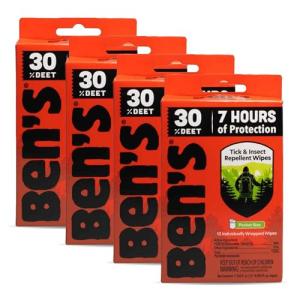
Ben's 30% DEET Wipes |
Alcohol-free formula reduces stinging; high-barrier foil pouches prevent leaks. |
| Kids & Sensitive Skin |
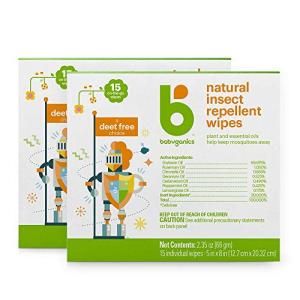
Babyganics Plant-Based |
Gentle water-based emulsion; non-greasy and specifically calibrated for pediatric skin. |
| Gear-Safe Protection |
S.C.R.U.B.S. Picaridin |
Oversized 8x10 cloth with 20% Picaridin; won't damage sunglasses or synthetics. |
| Bulk Value |
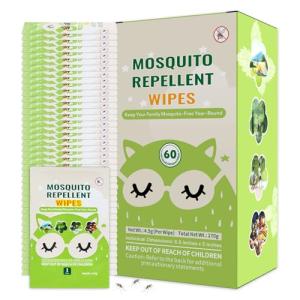
Flodteek 60-Pack |
Individually wrapped natural sachets; cross-lapped fabric adds extreme durability. |
❓ Frequently Asked Questions
Can I use these wipes on my face?
Yes, wipes are actually preferred for facial application because they prevent accidental inhalation and eye contact. Wipe the repellent onto your hands first, then pat onto your face, avoiding the eyes and mouth.
How long do individually wrapped wipes stay fresh?
Most high-quality foil-sealed wipes have a shelf life of 2 to 3 years. Ensure the seal remains un-creased and store them in a cool, dry place to maintain chemical stability.
Will DEET wipes damage my hiking clothes?
DEET is a solvent that can damage synthetic fabrics like rayon, spandex, and acetate. If you are wearing high-performance technical gear, a Picaridin-based wipe is a safer alternative.