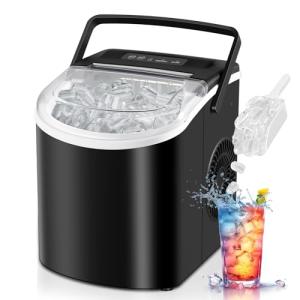
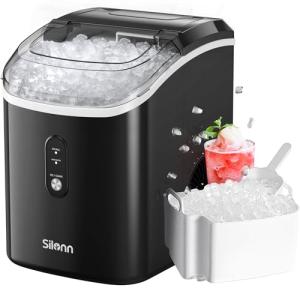
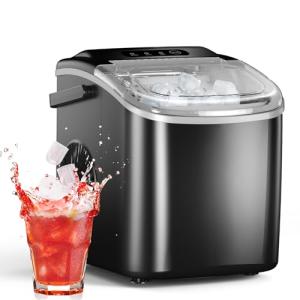
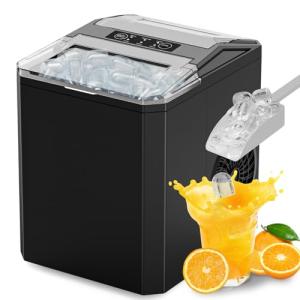
Maintenance & Troubleshooting
Performing a monthly descaling cycle with food-grade citric acid is the only way to prevent the pin corrosion that eventually punctures the refrigeration lines. Regularly vacuuming the rear intake vents prevents the "heat soak" effect that causes the control board to throttle ice production speed.
Common Failure Modes
Consistent mechanical and thermal cycles can eventually lead to specific operational issues that hinder ice production.
- Prevent corrosion by using distilled or highly filtered water to stop mineral salts from pitting the evaporator pins.
- Address joint loosening by checking the alignment of the ice shovel periodically; a misaligned arm can snap the drive gears if it hits an obstruction.
- Fix sensor drift by wiping the infrared "bin full" sensors with a dry cotton swab to remove the condensation film that mimics a full ice basket.
- Combat heat sink dust load by ensuring at least six inches of clearance on all sides of the unit to allow the cooling fan to exhaust heat.
- Mitigate voltage sensitivity by plugging the machine into a dedicated surge protector to shield the control motherboard from power spikes.
- Eliminate mold growth by leaving the lid open between uses and running a self-clean cycle with a mild bleach solution once a week.
Environmental Stress Factors
The placement and surrounding conditions of your countertop unit directly impact its cooling performance and durability.
- Avoid temperature extremes by keeping the unit out of uninsulated garages; high ambient heat will cause the compressor to seize from overwork.
- Reduce hard water buildup by installing an inline water filter, which keeps the pump clear of the gritty sediment that causes motor burnout.
- Stop high UV exposure by placing the unit away from direct sunlight, which prevents the outer plastic from yellowing and becoming brittle.
- Prevent pet hair clogging by placing the ice maker on a raised stand or shelf, keeping the intake fans clear of floor-level debris and dander.
Key Components
Modern ice makers rely on a sophisticated interplay of electronics and thermodynamics to freeze water rapidly.
- The refrigeration loop is the closed-system circuit that manages the phase change from liquid to ice on the evaporator.
- A high-performance insulation system reduces the "melt-back" rate of produced ice, lowering the frequency of compressor restarts.
- The motor assembly provides the physical force required to sweep the ice tray and reset the water bucket for the next cycle.
- Our research on how electronic control boards manage smart storage details why firmware glitches often lead to incorrect water-level alerts.
- The polymer shell houses the heavy internal components and acts as a sound dampener for the compressor vibration.
If you are researching high-traffic beverage setups, you may also want to review the failure expectations for these related kitchen devices: