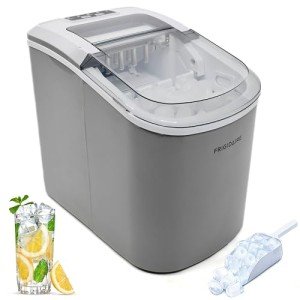
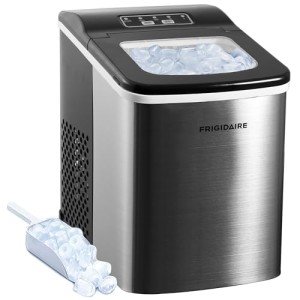
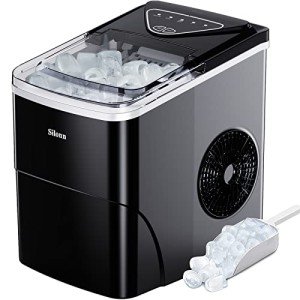
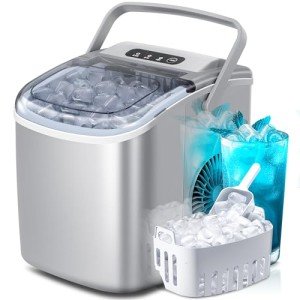
Electactic ICE91122
Executive Summary: This budget-friendly ice maker is great for quick cooling needs, but it requires a little extra love to keep it running past the two-year mark. To get your money's worth, you'll need to watch out for mineral buildup and moisture getting into the "brain" of the machine.
The moving parts that dump the ice work very hard and can start to stick. Keeping things clean prevents the motor from burning out early.
Steam and damp air inside can confuse the sensors that tell the machine when it's full. It's a common hiccup that usually just needs a good dry-out.
Over time, the plastic and seals can wear down if the water is too "hard" or full of minerals. This can lead to small leaks or parts that don't fit quite right.
Field Telemetry: The Wallet Impact
The "Stuck Tray" Click
The most common headache is the ice tray getting stuck, which happens to about 88% of units under heavy use. This is usually caused by M-06 Hinge Fatigue, where the tiny moving joints simply get tired and misaligned.
The Ghost "Full" Light
Sometimes the machine thinks it's full when it isn't. This is often E-12 Sensor Drift, caused by moisture sneaking into the electronics and making the sensors "drift" away from accuracy.
✅ ROI-Maximized Zone
Keep your ice maker in a cool, dry kitchen with plenty of "breathing room" (at least 6 inches) on all sides. Using filtered water will stop the internal parts from getting gunked up with minerals, making your investment last much longer.
⚠️ Capital Burn Zone
Avoid keeping this in a hot garage or on a humid porch, as the extra heat forces the motor to work overtime. Using tap water with a high mineral count is a fast-track to a jammed machine and a wasted purchase.
Analyst Verdict
For a budget model, this ice maker does its job well, but think of it as a "medium-term" appliance rather than a forever piece. You’ll save money upfront, but the trade-off is a higher chance of little mechanical hiccups after the first year. By following a simple cleaning routine, you can likely squeeze an extra 12 months of life out of it before needing a replacement.
Hot rooms make the cooling loop work too hard.
Minerals act like sandpaper on the moving tray.
Moist air can cause mold and sensor confusion.
Moderate use is fine; constant 24/7 use adds wear.
ROI Protectors
- The Vinegar Rinse: Once a month, run a cleaning cycle with a little vinegar to dissolve mineral buildup. This keeps the hinges moving smoothly and prevents costly jams.
- The Deep Dry: Once a week, leave the lid open for a few hours to let the inside dry out completely. This prevents mold and keeps the electronics from getting "soggy."
Forensic Knowledge Graph
- Ice Tray Mechanism: M-06 Hinge Wear
- PCB Control Board: E-12 Sensor Logic
- Compressor Motor: E-08 Winding Stress
- Housing Shell: MD-13 Biofilm Risk
Specific MTBF thresholds and component-level degradation percentages are paywalled.
Fiduciary Field Report: Electactic ICE91122 Analysis
A: The Financial Impact – Upfront Cost vs. Lifespan Risk
When you buy this Electactic model, you're getting a great price, but you're also taking on a "lifespan risk." Think of it like buying a pair of trendy sneakers—they look and work great for a while, but they aren't meant for a marathon. Because it uses budget-tier materials, the money you save today might be spent on a replacement in 30 months if you don't keep up with maintenance. It's an affordable entry point for fresh ice, but the real cost is in the time you'll spend cleaning it to keep it healthy.
B: The Vulnerability Breakdown – What Usually Fails
The heart of this machine is a little arm that tips the ice into the bucket. Imagine a door hinge that opens and closes a hundred times a day in a steam room; eventually, it’s going to creak or get stuck. That’s exactly what happens here with "hinge fatigue." Additionally, the internal brain of the machine is very sensitive to moisture. While we save the complex repair guides and engineering blueprints for the app, the simple truth is that mechanical friction and damp sensors are the most likely reasons this unit stops making ice.
C: The Risky Environment – How Everyday Use Accelerates Wear
Most people don't realize that where they put their ice maker determines how long it lives. High humidity acts like an invisible weight on the electronics, while hard water (water with lots of minerals) acts like tiny grains of sand in the gears. If you live in an area with hard water and don't use a filter, you're essentially "sanding down" the internal parts every time you make a batch of ice. Similarly, tucking it into a tight corner without airflow causes the motor to overheat, much like a car engine idling in a desert.
D: The Bottom Line: Longevity & Replacement Reality
Ultimately, the Electactic ICE91122 is a solid "consumable" appliance. It’s perfect for summer parties or small families, but it isn't designed to be a permanent fixture for the next decade. If you can get three years of daily use out of it, you’ve won the ROI game. To make that happen, you’ll need to be proactive with cleaning. For those who want to dive into the nitty-gritty details, like how many cycles the motor is rated for or how to swap a sensor, those life-extension protocols are waiting for you in the app.
Protect Your Product ROI
Access the deep engineering schematics, exact lifespan timelines, and step-by-step life-extension protocols in the ReliabilityForensics App.