Maintenance & Troubleshooting
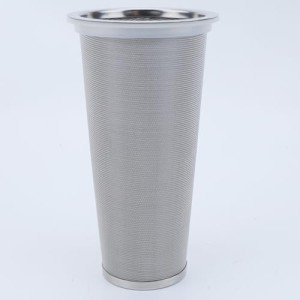
Preventing flavor cross-contamination requires deep-cleaning the stainless steel mesh with an enzymatic cleaner to break down stubborn tea oils that standard dish soap leaves behind. Inspecting gaskets for elasticity every month ensures the airtight seal remains intact, preventing the oxidation that destroys delicate oolong profiles.
Common Failure Modes
Even the most durable steeping equipment can encounter performance issues due to repetitive mechanical use and material fatigue over time.
- To combat Seal Compression, store the lid loosely when the vessel is empty to allow the silicone to recover its natural shape.
- Prevent Abrasive Wear by using nylon brushes or ultrasonic cleaners to clear the mesh without scoring the metal surface.
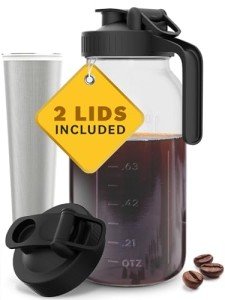
- Avoid an Impact Fracture by placing a silicone coaster beneath the glass carafe to dampen the shock of contact with stone countertops.
- Stop Stress Cracking by tightening the lid only until it meets resistance; excessive torque will eventually split the plastic threading.
- Reduce Thermal Expansion Mismatch by allowing refrigerated glass to reach room temperature before introducing hot water for deep sterilization.
- Identify a Glass Microfracture early by inspecting the base under bright light for "spider-web" lines that signal an imminent structural failure.
- Minimize Micro Corrosion by air-drying the stainless steel filter in an upright position immediately after washing to prevent standing water from pitting the mesh.
Environmental Stress Factors
The external environment plays a critical role in the longevity and hygiene of your tea-making hardware and internal components.
- To clear Hard Water Buildup, soak the filter in a 50/50 water-vinegar solution once a month to dissolve mineral deposits that block the fine-mesh pores.
- Prevent High UV Exposure by keeping the infuser in a dark refrigerator shelf, as sunlight can degrade the molecular bonds of silicone seals over time.
- Combat High Humidity Acceleration of mold by disassembling the lid and drying each gasket individually before reassembling for storage.
- Avoid Temperature Extremes by never using the glass carafe in a freezer, as the liquid expansion can shatter even high-grade borosilicate.
Key Components
Precision-engineered parts work in harmony to separate tea leaves from the liquid while maintaining a leak-proof seal.
- The primary Glass Panel is typically borosilicate, chosen for its high thermal shock resistance and non-porous surface.
- A high-quality Seal Gasket is the most critical barrier against oxidation during the 12-to-24-hour steeping window.
- The Polymer components provide a thermal break between the hand and the vessel, protecting the glass from minor side-impacts.
- A robust Fastener keeps the heavy, water-logged tea leaves from shifting and putting uneven pressure on the filtration mesh.
- The Dispensing Mechanism must be designed with a sharp pour-off angle to prevent "back-drip" that can harbor bacteria on the outer lid.
If you are researching full-room setups, you may also want to review the failure expectations for these related devices:
- Keep your tea tins and infuser accessories organized and accessible using Lazy Susans.
- Display your glass steeping vessels safely near your beverage station with Mug Trees.
- Maintain a high-volume cold brew inventory while maximizing fridge space with Beverage Bottle Organizers.