Maintenance & Troubleshooting
To prevent nozzle clogs and chemical settling, users should vigorously agitate the bottle before every use and clear the spray head by running warm water through the trigger mechanism after heavy applications. Proactive monitoring of the liquid's clarity can alert you to pH shifts before they cause irreversible damage to delicate silk or wool rugs.
Common Failure Modes
Chemical stabilizers and mechanical dispensers are subject to degradation over time, which can compromise the effectiveness of your odor-neutralizing treatments.
- When structural bonds break down, Emulsion Separation occurs; vigorously shake the container before every use to temporarily reintegrate the active neutralizing agents.
- Exposure to air during storage causes Solvent Evaporation Shift; ensure the cap is tightened to a full seal after every use to prevent the formula from thickening and clogging the nozzle.
- Oxidization of delicate oils leads to Fragrance Degradation; store bottles in a cool, dark place to keep scents from turning sour or medicinal.
- Unstable storage temperatures trigger PH Drift; test the solution on a hidden scrap piece of fabric if the bottle is older than twelve months to prevent fiber etching.
- Mechanical fatigue in the trigger results in Switch Contact Wear; avoid rapid-fire spraying and instead use long, steady pulls to preserve the internal pump seals.
- As chemical efficacy wanes, Preservative Depletion allows microbial growth; discard any product that shows unusual cloudiness or a change in base color.
- Internal chemical reactions can cause Active Oxidation; keep the formula away from metal contaminants and direct airflow to ensure the neutralizer remains potent.
Environmental Stress Factors
External conditions significantly influence how quickly a fabric deodorizer loses its potency or how it interacts with surfaces.
- Unregulated storage areas subject formulas to Temperature Extremes; move cleaning supplies to an interior climate-controlled closet to prevent enzymatic breakdown.
- Translucent packaging is vulnerable to High UV Exposure; wrap clear bottles in opaque tape or store them in a dark cabinet to stop photochemical degradation.
- Mixing different chemical brands creates Cleaner Compatibility Conflict; always flush a carpet area with distilled water if you are switching between two different product types.
Key Components
Each bottle is an engineered system designed to deliver precise amounts of neutralizing agents deep into textile surfaces.
- The Active Ingredient is the core molecular binder; research the specific chemical class (e.g., zinc ricinoleate vs. enzymes) to match the cleaner to the specific odor type.
- The Surfactant lowers surface tension; higher quality surfactants are required for low-pile industrial carpets where liquid tends to bead on the surface.
- A secondary Fragrance provides a sensory clean; choose formulas with low-VOC scents to avoid respiratory irritation in enclosed spaces.
- The Preservative maintains liquid integrity; look for paraben-free stabilizers that offer a minimum two-year shelf life without compromising safety.
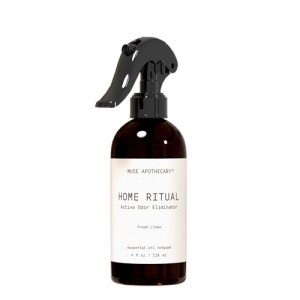
- The Dispensing Mechanism dictates the micron size of the spray; look for adjustable nozzles that can switch between "mist" for surface odors and "stream" for deep-set stains.
If you are researching comprehensive home maintenance and textile care, you may also want to review the failure expectations for these related devices:
- For maintaining everyday freshness on garments and linens, see our research on Fabric and Clothing Deodorizers.
- If you require deep sanitation of soft flooring without chemicals, consider the mechanical reliability of Steam Mops.
- To manage the airborne particulates that cause odors to return, evaluate the performance of HEPA Air Purifiers.