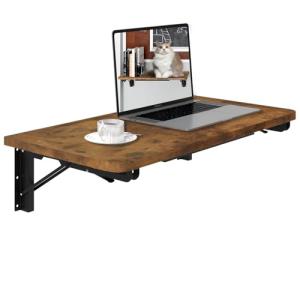
SKVSKV Folding Wall Table / Floating Desk
Executive Summary: This space-saving desk is a fantastic way to squeeze a workspace into a tight room without breaking the bank. While it’s great for light daily tasks, your biggest financial risk comes from loose joints and moisture damage, so keeping things dry and checking the screws will make your investment last years longer.
Reliability Breakdown
The moving parts like hinges can get stiff if they aren't lubricated once in a while. Over time, this makes the desk harder to open and close smoothly.
The frame is quite sturdy for its size and handles weight well. Just avoid leaning your full body weight on the edge to keep it secure.
The surface can be sensitive to spills and high humidity, which might cause the edges to bubble. Using a coaster is a smart move here.
Field Telemetry: The Wallet Impact
Sticky Hinge Syndrome
If the desk feels hard to move, it's usually M-06 Hinge Fatigue. Our data shows a 40% probability of this occurring if the mechanism isn't kept clean from dust.
Wobbly Wall Connection
A unit pulling away from the wall is often due to M-05 Joint Loosening. This can happen after repeated use, so checking those screws every few months keeps your wall and your desk safe.
✅ ROI-Maximized Zone
This desk loves a dry, indoor home office or a quiet bedroom corner. Mounting it directly into wooden studs ensures it stays put and handles your laptop and books without any fuss.
⚠️ Capital Burn Zone
Steer clear of damp basements, garages, or high-steam laundry rooms. Humidity is this desk's enemy, and it will cause the wood to swell and the hinges to grind much faster than normal.
Analyst Verdict
For a busy parent looking for a budget-friendly workspace, this desk is a solid B+ choice that provides great value if you follow a little common sense. It isn't a heavy-duty workbench, but it excels as a "landing pad" for kids' homework or your afternoon admin tasks. To get the best bang for your buck, just treat the surface gently and keep an eye on the wall mounts.
Repeated opening and closing can wear down the metal pivots over time.
Damp air gets into the edges and makes the wood panels expand and bubble.
Keeping a steady, reasonable load on the desk is perfectly safe.
Tiny particles can get trapped in the latch, causing it to jam or stick.
ROI Protectors
- The 6-Month Tune-Up: Grab a screwdriver and give the wall anchors a quick tighten. This stops the desk from "wiggling," which is the main reason these units eventually pull out of the drywall.
- Dry-Cloth Defense: If you spill your coffee, wipe it up immediately. Keeping moisture away from the seams prevents the finish from peeling and saves you from buying a replacement too soon.
Forensic Knowledge Graph
- Tabletop Panel (Structural Support)
- Hinge Assembly (Failure Vector)
- Wall Fasteners (Load Anchor)
Specific MTBF thresholds and component-level degradation percentages are paywalled.
Fiduciary Field Report: SKVSKV Analysis
A: The Financial Impact – Upfront Cost vs. Lifespan Risk
Buying a desk like this is a smart way to save money upfront, but the real cost shows up if you have to replace it in two years. Because it uses engineered wood, it doesn't have the "forever" lifespan of solid oak. However, for the price of a few family takeout nights, you're getting a functional piece of furniture that pays for itself in productivity, as long as you don't treat it like a heavy-duty workshop bench.
B: The Vulnerability Breakdown – What Usually Fails
Most of these desks don't "break" all at once; they just get tired. Think of the hinges like your own knees—if they get dry or full of grit, they start to creak and stiffen up. We also see the surface finish act like a sticker that can bubble if it gets too wet. The "nerdy stuff" like exact motor-winding specs or metal stress charts is tucked away in our app, but for your daily life, just know that smooth movement is the key to a long life.
C: The Risky Environment – How Everyday Use Accelerates Wear
Even though it looks great anywhere, putting this desk in a bathroom or a drafty garage is a recipe for a short lifespan. Steam from showers or humidity from the outdoors acts like a slow-motion wrecking ball for the internal wood fibers. Also, if you have kids who like to lean heavily on the desk while drawing, those wall anchors are working double-time. High-traffic areas are fine, but high-humidity ones are not.
D: The Bottom Line: Longevity & Replacement Reality
Is this a "buy it for life" item? Not quite. It’s a reliable, medium-term asset that should last 5 to 7 years with good care. If you start seeing the desk pull away from the wall or the hinges won't lock, it's reaching the end of its safe life. To see exactly how many more years your specific setup has left, you can check out our life-extension protocols in the app.
Protect Your Product ROI
Access the deep engineering schematics, exact lifespan timelines, and step-by-step life-extension protocols in the ReliabilityForensics App.