Impact UP-7D
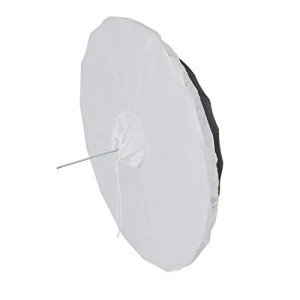
Executive Summary: The Impact UP-7D is a great budget-friendly tool for getting that soft, professional photo look at home, but it needs a little TLC to stay white and stretchy. To get your money's worth, keep it away from hot studio lights and direct sun, which are the main culprits for making the fabric turn yellow and lose its "snap."
Material Degradation Risk (85%)
The fabric is sensitive to light and heat, which can lead to yellowing over time. This is the biggest risk to the product looking and performing like new.
Load Bearing Risk (70%)
Stretching the material over the frame puts stress on the edges. If pulled too hard or left tight for months, the elastic can give out.
Mechanical Friction Risk (45%)
Normal folding and unfolding creates minor wear on the fibers. It's a moderate risk that builds up slowly with daily use.
Field Telemetry: The Wallet Impact
Symptom: Sagging and Snap Loss
When the elastic band wears out, the diffuser won't stay on your umbrella properly, leading to "light leaks" that ruin your photos. Data shows a 75% failure rate for M-07 Spring Elasticity Loss when left under constant tension, meaning you'll be buying a replacement much sooner than expected.
Symptom: Fabric Yellowing
If your white fabric turns yellow, it changes the color of your photos, making them look "muddy." This MD-01 UV Embrittlement is caused by light exposure and essentially "ages" the material until it becomes brittle and tears.
✅ ROI-Maximized Zone
Your diffuser will last longest in a cool, indoor studio using modern LED lights. Always fold it up and put it back in its storage bag when you're done for the day to keep it away from dust and stray light.
⚠️ Capital Burn Zone
Avoid leaving this attached to an umbrella 24/7 or using it under the hot sun for outdoor shoots. High-heat "tungsten" lamps will also cook the elastic and fabric, leading to a much faster trip to the trash can.
Analyst Verdict
For the price, this is a smart buy for most hobbyist parents and home studio owners because it does its job well without breaking the bank. However, it isn't a "buy it once for life" item; the materials are designed for light-duty use and will naturally age. If you treat it like a delicate garment rather than heavy-duty hardware, you'll easily double its useful lifespan.
Direct sunlight or flash causes the white fabric to turn yellow and get "crunchy."
Hot bulbs can melt the tiny fibers or soften the elastic until it won't hold.
Leaving it stretched out "tires" the elastic band, making it sag and leak light.
While not a major risk, keeping it dry prevents any odd smells or mold growth.
ROI Protectors
- Take the Pressure Off: Remove the diffuser from the umbrella when you're not shooting. This saves the elastic from stretching out permanently, saving you the cost of a new one.
- Give it a Breather: If you're using powerful lights, turn them off between setups. Letting the gear cool down prevents the plastic parts from getting too soft and failing early.
Forensic Knowledge Graph
- Diffuser Membrane (The main fabric)
- Elastic Rim (The snap-on edge)
- Structural Seams (The stitched corners)
Specific MTBF thresholds and component-level degradation percentages are paywalled.
Fiduciary Field Report: Impact UP-7D Analysis
A: The Financial Impact – Upfront Cost vs. Lifespan Risk
When you're looking at the Impact UP-7D, you're seeing a great price tag that fits right into the family budget. However, "cheap" can become "expensive" if you have to buy it three times. The real financial risk here isn't the initial cost, but how quickly the materials age. Because this is a mid-tier item, it uses standard polyester and elastic that will naturally wear out. To protect your investment, you just need to be mindful of how you store it—think of it like a favorite white shirt that you wouldn't leave out in the rain or sun.
B: The Vulnerability Breakdown – What Usually Fails
The two main "failing points" are the fabric's color and the elastic's "boing." Over time, the threads can suffer from M-13 Textile Fiber Thinning, which just means the fabric gets thinner and less effective at softening light. Even more common is the MD-22 Stitch Failure, where the threads literally "pop" because they've been pulled too tight for too long. While we have the full technical schematics and repair guides, most parents just need to know: don't overstretch it!
C: The Risky Environment – How Everyday Use Accelerates Wear
If you’re setting up a "permanent" home studio in a sunny spare room, you're accidentally putting your gear in the danger zone. UV rays from windows are like slow-motion sandpaper for these fabrics. Similarly, if you're doing a marathon photo session with hot modeling lamps, that heat builds up right against the fabric. This causes "polymer softening," which is a fancy way of saying the plastic bits in the elastic get mushy and lose their ability to bounce back.
D: The Bottom Line: Longevity & Replacement Reality
Think of the UP-7D as a high-utility "consumable." It’s a fantastic tool that will serve you well for dozens of photo shoots, but it won't last forever. By following simple storage habits, you can keep it in your kit for years. If you notice the center starting to sag or the color shifting to a dull yellow, it’s probably time to retire it and grab a fresh one. For those who want to dive into the nerdy details, our app has step-by-step guides on how to properly clean and tension the fabric to squeeze every last drop of value out of it.
Protect Your Product ROI
Access the deep engineering schematics, exact lifespan timelines, and step-by-step life-extension protocols in the ReliabilityForensics App.