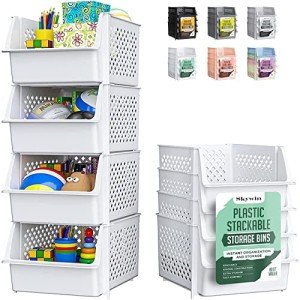
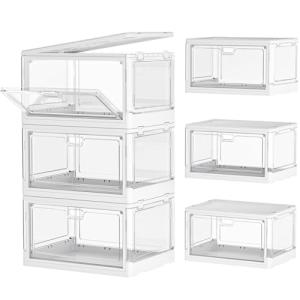
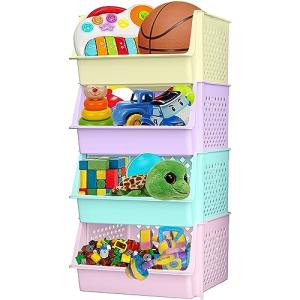
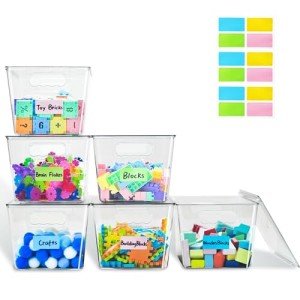
Skywin TidyFriend Stackable Storage Bins
Executive Summary: These bins are a budget-friendly way to organize light items like linens or toys, but they struggle with heavy stacking. To get your money's worth, keep them in climate-controlled rooms and avoid overloading the bottom units to prevent the plastic from sagging over time.
Longevity Risks
This is the biggest threat to your wallet. When stacked too high, the weight causes the bottom bins to slowly lose their shape and eventually buckle.
The clear plastic looks great but can become brittle or show white stress marks if pushed too hard. It's best for lighter household "stuff" rather than heavy tools.
The wheels are handy but can drag if hair or dust gets caught in the axles. A quick wipe-down every few months keeps them rolling smoothly.
Field Telemetry: The Wallet Impact
Wobbly Stacks & Sagging Sides
Our data shows an 85% probability of M-02 Creep Deformation, which is a fancy way of saying the plastic permanently sags under constant weight. This usually happens when heavy bins are left stacked for months without being moved.
Stuck or Snapped Wheels
Parents often notice the wheels stop spinning on carpet or snap off at the joints. This is often caused by M-18 Small Hardware Failure when the unit is dragged over rough surfaces while fully loaded.
✅ ROI-Maximized Zone
These are perfect for a bedroom closet or a temperature-controlled pantry. Use them for "soft" items like extra blankets, winter clothes, or lightweight snacks to keep the plastic in tip-top shape for years.
⚠️ Capital Burn Zone
Avoid the garage or attic! High heat makes the plastic soft and more likely to warp. Also, don't use these for your heavy tool collection or stacks of old textbooks, as the weight will eventually crush the bottom unit.
Analyst Verdict
The TidyFriend is a classic "you get what you pay for" storage solution that works well if you respect its limits. It offers great convenience with its wheels and stacking ability, but the thin plastic walls mean it isn't a "buy it for life" item. If you keep the loads light and the environment cool, you'll avoid the premature cracking and sagging that often frustrates budget shoppers.
Heavy stacking and moving full bins puts high pressure on the plastic joints.
Damp air can make the stacking points slightly less stable over long periods.
High temperatures in garages cause the plastic to soften and sag permanently.
Low risk here; unless left in direct sun, the plastic won't yellow or fade quickly.
ROI Protectors
- The "Musical Chairs" Rotation: Once a month, swap the bottom bin with the top one. This gives the plastic a break from constant weight and prevents permanent warping.
- Wheel Wellness: Every few months, check the wheels for pet hair or rug fibers. Keeping the axles clear prevents the wheels from locking up and snapping under a load.
Forensic Knowledge Graph
- • Bin Body Structure (Main Shell)
- • Mobility System (Wheels & Axles)
- • Stacking Interfaces (Connection Rims)
Specific MTBF thresholds and component-level degradation percentages are paywalled.
Fiduciary Field Report: Skywin TidyFriend Analysis
When you're trying to keep a busy household organized, budget-friendly options like the Skywin TidyFriend are incredibly tempting. They look clean, they stack, and they have wheels—three things every parent loves. However, from a value-for-money perspective, it's important to understand that these are "light-duty" assets. While the upfront cost is low, replacing them every year because the plastic cracked under the weight of heavy holiday decorations can actually cost you more in the long run.
A: The Financial Impact – Upfront Cost vs. Lifespan Risk
Think of these bins like a pair of budget sneakers. They’ll get you through the day just fine, but they aren't meant for a marathon. The purchase price is great for your monthly budget, but the "hidden cost" appears if you treat them like heavy-duty shelving. If you overload the bottom bin, the plastic begins to "relax" and sag. Once that happens, the lid won't fit right, and the stack becomes a tipping hazard, forcing you to buy new ones sooner than you’d like.
B: The Vulnerability Breakdown – What Usually Fails
The primary failure we see is a slow-motion collapse called structural fatigue. Imagine holding a heavy book at arm's length; eventually, your arm is going to sag. That's exactly what happens to the M-14 Structural Warping in these bins. The clear polymer is designed for visibility, not extreme strength. We also see the small hardware on the wheels fail when they encounter "friction monsters" like high-pile carpet or forgotten Lego pieces on the floor. For those who want the full technical breakdown, our app contains the exact engineering schematics showing where the plastic is thinnest.
C: The Risky Environment – How Everyday Use Accelerates Wear
Most people don't realize that their garage is a bin-killer. In the summer, the heat makes the plastic softer and much more likely to bow under weight. Combined with High Humidity, the stacking joints can become slippery or loose. If you're using these in a basement or garage, try to keep the stacks low—no more than two high—to keep your investment safe from the elements.
D: The Bottom Line: Longevity & Replacement Reality
The TidyFriend is a fantastic helper for organized closets and toy rooms, but it is a "consumable" item if misused. To make them last through your kids' elementary school years, follow our "ROI Protectors" like rotating the bins and keeping loads light. If you need to store heavy tools or cast-iron cookware, you might want to look at a reinforced option. For more tips on making your home gear last, check out the life-extension protocols in our app.
Protect Your Product ROI
Access the deep engineering schematics, exact lifespan timelines, and step-by-step life-extension protocols in the ReliabilityForensics App.