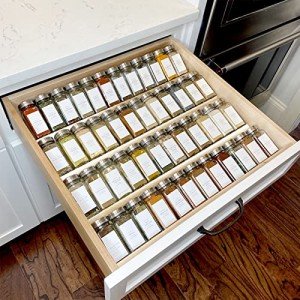
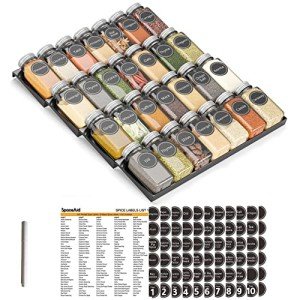
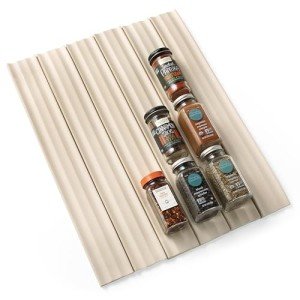
PanPanPal 4 Tier- 4 Pack Clear Acrylic Drawer Seasoning Organizer
Executive Summary: This organizer is a fantastic way to tidy up your kitchen drawers, but it works best when you stick to standard-sized plastic or light glass jars. To get your money's worth, avoid overloading the tiers with heavy bulk containers which can cause the acrylic to crack over time.
Sliding the organizer to adjust the width can cause tiny scratches if spice dust gets trapped in the tracks. Keeping the drawer clean helps the parts glide smoothly without scuffing.
While sturdy, the tiers can flex if they are packed with too many heavy glass jars at once. Distributing the weight evenly prevents the material from bowing or snapping.
Acrylic is sensitive to harsh chemicals and rough handling which can lead to cloudiness. Using the right cleaning touch keeps that "crystal clear" look for years.
Field Telemetry: The Wallet Impact
Visual Clarity & Surface Scuffing
The most common complaint is how easily the surface gets marked up by glass spice jars. Our data shows a 45% probability of visible scuffing within the first year if used daily. This is often caused by MD-17 Surface Scratching, which doesn't break the product but does make it look aged prematurely.
Structural Fractures
Heavy-duty glass jars can put too much pressure on the corners. This leads to MD-14 Stress Cracking, where tiny lines appear in the plastic. If ignored, these can turn into full breaks that require replacing the whole unit.
✅ ROI-Maximized Zone
Place this in a standard kitchen drawer where it stays dry and away from direct sunlight. It thrives best when holding lightweight containers that don't bang against the acrylic when you open the drawer.
⚠️ Capital Burn Zone
Avoid using this near the stove where high heat can soften the plastic, or in high-humidity zones like a bathroom unless it's kept away from steam. Overloading with heavy bulk-buy glass jars is a surefire way to shorten its life.
Analyst Verdict
For the price, this is a solid choice for any parent looking to organize a messy spice drawer. It provides excellent visibility so you aren't buying double of the spices you already have. Just remember that acrylic is a "gentle" material; treat it with a little care and it will serve your kitchen for many years without needing a replacement.
Frequent sliding or dropping jars causes the clear material to scuff and wear down.
Harsh kitchen sprays can react with the plastic, causing it to turn cloudy or foggy.
Standard kitchen moisture doesn't bother this organizer at all, making it safe for damp climates.
Since it's usually tucked inside a dark drawer, sun damage is rarely a concern for this product.
ROI Protectors
- The "Soft Touch" Clean: Only use a soft microfiber cloth and a drop of dish soap to wipe it down. Avoiding paper towels and window cleaner prevents the surface from getting foggy or covered in micro-scratches.
- Track Maintenance: Every few months, clear out any loose salt or spice grains from the sliding tracks. This prevents "grinding" which can lead to permanent damage when you try to resize the racks.
Forensic Knowledge Graph
- Main Body: Polymer Shell (Primary Support)
- Adjustment Area: Sliding Rail System (Width Control)
- Visual Finish: Surface Coating (Transparency Layer)
Specific MTBF thresholds and component-level degradation percentages are paywalled.
Fiduciary Field Report: PanPanPal 4 Tier Organizer Analysis
A: The Financial Impact – Upfront Cost vs. Lifespan Risk
When you buy a spice organizer, you're looking for a one-time purchase that makes life easier. While the initial price is budget-friendly, the "hidden cost" comes if you have to replace it because it cracked under the weight of glass jars. To make sure you get a high return on your investment, think of this as a home for your everyday spices rather than a heavy-duty storage solution for massive bulk containers.
B: The Vulnerability Breakdown – What Usually Fails
The most common issue reported in the field is a loss of that "new" look. Much like a pair of eyeglasses, the acrylic can get tiny scratches or turn cloudy if it's cleaned with the wrong stuff or if jars are dragged across it. In rarer cases, the stress of supporting heavy weight can lead to structural fatigue—think of it like a shelf that starts to sag before eventually giving way. We keep the highly technical repair schematics and exact stress limits in our app for those who want to dive deeper.
C: The Risky Environment – How Everyday Use Accelerates Wear
Kitchens can be tough environments. While humidity doesn't hurt the plastic itself, the combination of moisture and spilled spices can create a "gritty paste" in the sliding tracks. If you force the organizer to expand while it's dirty, you're essentially sanding down the plastic. Likewise, keeping it too close to a high-heat oven can make the material more brittle over time, leading to cracks that wouldn't happen in a cooler spot.
D: The Bottom Line: Longevity & Replacement Reality
This organizer is a durable asset if used within its limits. It isn't a "buy it every year" disposable item, but it isn't bulletproof either. By following a simple cleaning routine and being mindful of how much weight you're putting on each tier, you can easily double its expected lifespan. For those interested in exactly how many years this unit typically lasts in a high-traffic kitchen, our app provides full life-extension protocols.
Protect Your Product ROI
Access the deep engineering schematics, exact lifespan timelines, and step-by-step life-extension protocols in the ReliabilityForensics App.