Maintenance & Troubleshooting
Regularly clearing intake vents prevents the internal processor from throttling and keeps the laser diode from shifting color due to heat. Addressing motor clicking immediately by checking for debris can save the internal drive gears from stripping permanently.
Common Failure Modes
Precision electronics and moving parts are susceptible to specific mechanical and electrical degradations over time.
- Internal light sources may dim or shift in hue due to prolonged thermal overload stress; ensure the unit has at least three inches of clearance from the ceiling for heat dissipation.
- The rotating nebula effect can become jerky or stall if the unit experiences bearing wear rotational friction; listen for grinding and reduce the rotation speed setting to extend motor life.
- Sensitive projection sequences may fail if your home power fluctuations cause voltage sensitivity issues; use a high-quality surge protector to stabilize current to the control board.
- Continuous operation of the rotation feature often leads to gear tooth wear; use the "auto-off" timer to prevent the motor from running unnecessarily for 24-hour cycles.
- Micro-movements and heat cycles can eventually cause a solder joint crack; avoid mounting the unit directly next to HVAC vents where rapid temperature swings occur.
- If the cooling system is compromised, the primary processor may suffer from PCB overheating; periodically vacuum the exterior chassis to keep ventilation pathways unobstructed.
Environmental Stress Factors
The placement and surrounding conditions of your projector significantly impact its optical clarity and mechanical integrity.
- Static electricity and internal fans often lead to a significant dust load; wipe the external lens with a microfiber cloth weekly to prevent dust from baking onto the glass.
- In poorly ventilated rooms, temperature extremes can warp optics; avoid installing the projector in uninsulated attic spaces or directly above high-heat electronics.
- Installing units in high-traffic areas without filters can result in pet hair clogging; if the motor slows down, use compressed air to blow out the internal assembly.
Key Components
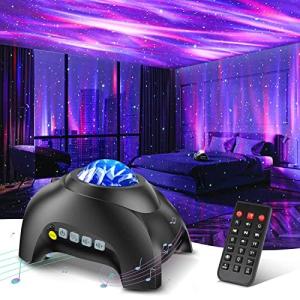
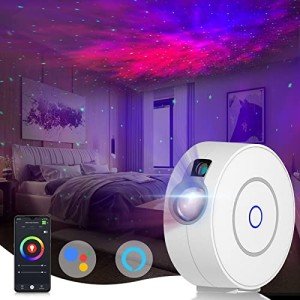
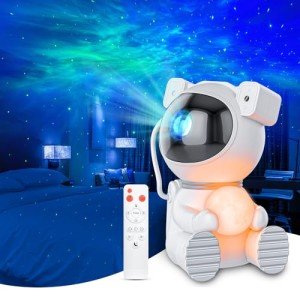
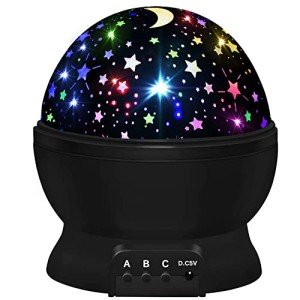
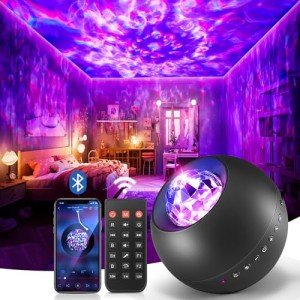
The magic of a star-filled ceiling is made possible by several high-tech components working in perfect synchronization.
- The heart of the movement is the motor assembly, which requires low-viscosity lubricant to maintain the silent rotation of the nebula clouds.
- Stable power delivery to the lasers and LEDs is maintained by a high-quality power supply system, which converts AC to the precise DC voltage required for diodes.
- Complex light patterns and remote commands are handled by how electronic control boards manage smarts, acting as the logic center for all visual effects.
- To prevent heat buildup from the intense light sources, a dedicated airflow ventilation system must be kept clear to facilitate passive or active cooling.
- The entire optical array is protected and held in place by a durable polymer shell that acts as both a mounting bracket and a heat shield.
Related Categories
If you are researching full-room setups, you may also want to review the failure expectations for these related devices: