Maintenance & Troubleshooting
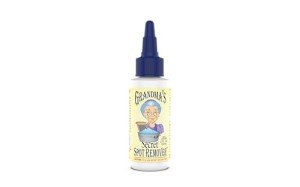
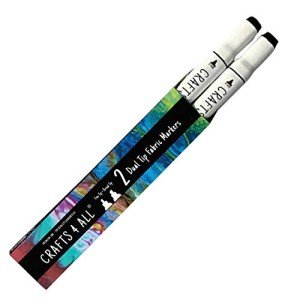
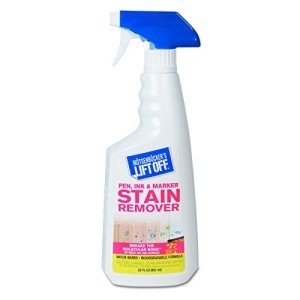
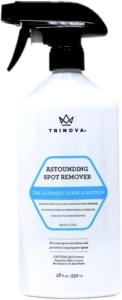
Maximizing the efficacy of a stain pen requires horizontal storage to prevent the felt tip from drying out and losing its chemical prime. Regularly clearing the spray orifice of a spot treatment bottle with a damp cloth prevents surfactant buildup from causing mechanical pump failure.
Common Failure Modes
Chemical cleaners are sensitive to structural and molecular changes that can render them ineffective or even damaging to fabrics.
- When the liquid base disappears through a faulty cap, it causes a Solvent Evaporation Shift; ensure all caps are threaded tightly after use to maintain the correct chemical concentration.
- The breakdown of the binding agent often leads to Emulsion Separation; shake the container vigorously for thirty seconds before application to reintegrate the cleaning agents.
- Over time, the essential scent profile can vanish due to Fragrance Degradation; store bottles in a cool, dark cabinet to protect volatile aromatic compounds from souring.
- If the chemical balance changes, you may experience PH Drift; test older solutions on an inconspicuous hem first to ensure the shifted acidity won't weaken delicate fibers.
- Exposure to air can trigger Active Oxidation; replace pens that show yellowed tips, as this indicates the formula has lost its oxygen-reduction potential.
- Incorrect storage temperatures often lead to Crystallization; rinse clogged spray heads under warm distilled water to dissolve mineral or chemical blockages.
- The loss of cleaning efficacy is frequently linked to Surfactant Breakdown; discard products that no longer foam slightly upon contact, as they can no longer properly grip and lift oils.
Environmental Stress Factors
External conditions play a massive role in how long your stain removers remain shelf-stable and ready for action.
- Fluctuating laundry room conditions known as Temperature Extremes accelerate aging; maintain a climate-controlled storage environment between 50°F and 75°F for maximum stability.
- Storing pens near windows leads to High UV Exposure; use opaque storage bins to block ultraviolet rays from severing the molecular bonds of the active agents.
- In bathrooms, High Humidity Acceleration degrades seals; store emergency pens in airtight plastic bags to prevent moisture from entering the felt-tip housing.
Key Components
Every stain-fighting tool relies on a specific assembly of parts to deliver the right amount of chemistry to the spot.
- The core of the formula is the Active Ingredient, which must remain chemically "unlocked" until it contacts the stained substrate.
- To ensure even coverage, the Surfactant reduces surface tension; check for formulas using high-purity surfactants for faster fiber penetration.
- The physical hardware, known as the Dispensing Mechanism, requires a clear fluid path; avoid dropping pens to prevent internal valve misalignment.
- The integrity of the liquid is maintained by the Preservative, which is essential for preventing microbial growth in water-based spot cleaners.
- Chemicals are safely housed within a Container Packaging that should be made of UV-resistant HDPE or PET plastic to shield the concentrate.
Related Categories
If you are researching the forensic durability of garment care tools, you may also want to review the maintenance requirements for these related devices: