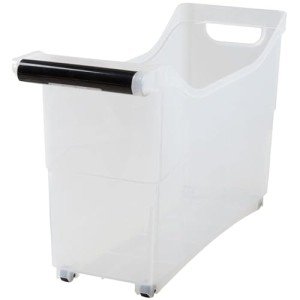
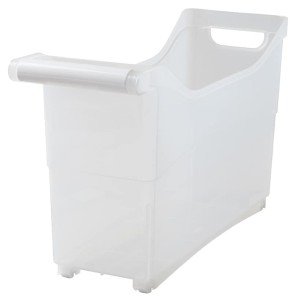
Maintenance & Troubleshooting
Long-term mobility depends on a monthly extraction of floor debris from the wheel axles and a torque check on all structural bolts to prevent joint drift. Neglecting the caster bearings often leads to "flat-spots" on the wheels, which permanently degrades the unit's glide and increases floor-surface abrasion.
Common Failure Modes
Frequent movement and heavy loads can lead to specific mechanical issues over time if the crates are not properly maintained.
- Overloading the internal storage space often leads to Overload Deformation; prevent this by distributing the heaviest toys directly over the caster positions to reduce baseboard bowing.
- Continuous friction on the wheel axles can cause Bearing Wear Rotational Friction; apply a dry-film lubricant to the axle once a year to ensure a smooth, low-friction glide.
- Repeated impacts against baseboards may result in Impact Fracture; apply clear adhesive bumpers to the leading corners of the crate to absorb low-speed collisions.
- If the assembly hardware is not checked periodically, Joint Loosening can occur; check and re-torque all structural bolts every 90 days to maintain lateral stability.
- The wheels may suffer from Abrasive Wear; swap out hard plastic casters for rubberized wheels if the unit is primarily used on rough or tiled surfaces.
- Excessive weight placed on the edges can cause Stress Cracking; avoid using the side walls as a seat and keep weight centered within the structural housing.
- Long-term use in playrooms often results in Surface Scratching; use a soft microfiber cloth for cleaning to prevent grit from grinding into the finish and trapping dirt.
Environmental Stress Factors
The atmosphere of your home plays a significant role in how well your storage crates age and function.
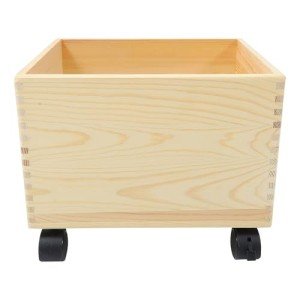
- Wood-based crates are particularly susceptible to High Humidity Acceleration; maintain room humidity between 35% and 55% to prevent the wood grain from swelling and warping.
- Exposure to sunlight near windows often triggers High UV Exposure; keep crates away from direct sunlight to prevent the breakdown of synthetic dyes and fiber brittleness.
- Accumulation of debris in the wheel housing, or Dust Load, causes resistance; use a compressed air canister to blow out the caster housings every few months.
- In homes with animals, Pet Hair Clogging is a primary cause of failure; use a pair of tweezers or a utility knife to cut away hair wrapped around the axles.
Key Components
Each part of a rolling crate is engineered to handle the unique stresses of mobile toy organization.
- The primary strength comes from the Load Bearing Frame; look for reinforced corner brackets to ensure weight is transferred safely to the wheels.
- To ensure smooth movement, the Rotational Drive Assembly must be clear of hair; prioritize ball-bearing casters over simple sleeve bearings for long-term durability.
- Exterior protection is provided by a Polymer Shell; high-density polyethylene (HDPE) or polypropylene are preferred for their balance of weight and impact resistance.
- Structural integrity is maintained through a Fastener System; look for the use of locking nuts that won't vibrate loose during frequent room transitions.
- Protective barriers are often enhanced by a Surface Coating; choose matte finishes to better hide the inevitable micro-scratches from plastic toy friction.
- The handles and side grips are part of the Structural Housing; ensure the handles are fully recessed or integrated into the frame to prevent them from snapping under high torque.
Related Categories
If you are researching a broader home organization strategy, you may also want to review the failure expectations for these related storage devices:
- For larger collections that don't need to move, evaluate Wooden Storage Crates for a classic, stationary solution with different joint stresses.
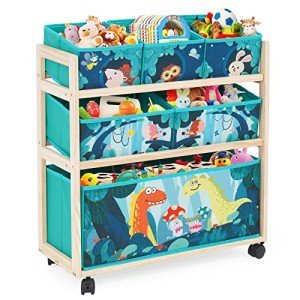
- Maximize vertical capacity and keep favorite items within reach using Modular Toy Shelves.
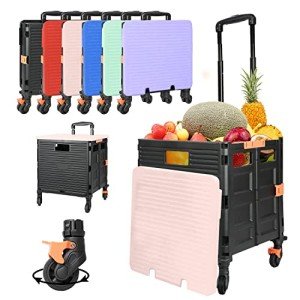
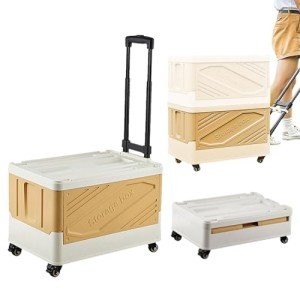
- If you need mobility for items beyond toys, Portable Trolleys Carts provide excellent multi-room utility with a taller center of gravity.
- For sorting smaller items, Stackable Toy Bins offer a space-saving alternative for shelf-based organization.