Maintenance & Troubleshooting
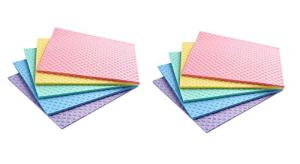
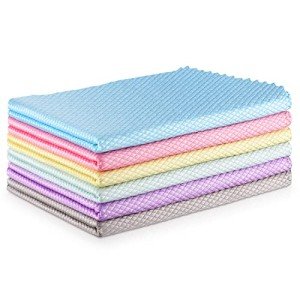
To prevent brittle snapping, always dampen Swedish dishcloths before wringing, as manipulating the fibers while bone-dry causes micro-fractures in the cellulose structure. Regularly boiling the cloths for three minutes is the most effective way to reset the microbial load without the fiber-stripping effects of harsh bleach.
Common Failure Modes
Even the most durable sustainable textiles face degradation over time due to mechanical stress and chemical exposure during rigorous cleaning tasks.
- Repeated wringing and high-heat drying lead to Textile fiber thinning; air-dry your cloths on a rack rather than using a machine dryer to preserve the density of the weave.
- Leaving cloths in damp, unventilated areas frequently triggers Mold growth; ensure the material is draped over a faucet or caddy to facilitate 360-degree airflow after every use.
- Excessive scrubbing against sharp or abrasive edges can cause Abrasive wear; reserve soft cloths for smooth surfaces and use specialized scrapers for burnt-on debris to prevent pilling.
- Exposure to harsh bleach or undiluted acidic cleaners often results in Hydrolysis breakdown; always dilute cleaning solvents to protect the integrity of the natural polymer chains.
- Aggressive machine washing settings may cause Stitch failure; use a mesh laundry bag to prevent the reinforced edges from catching on agitators or zippers.
- Over-drying Swedish dishcloths at extreme temperatures leads to UV embrittlement; avoid leaving cloths in direct midday sunlight on windowsills, which can make the wood pulp turn brittle.
Environmental Stress Factors
The external conditions of your kitchen and laundry area significantly dictate how quickly natural fibers break down or lose efficacy.
- Storage in poorly ventilated cabinets during summer can cause High humidity acceleration; move your storage to an open-air shelf to prevent premature decomposition of the organic material.
- Standard tap minerals can lead to Hard water buildup; soak stiffened cloths in a light vinegar solution monthly to dissolve mineral deposits and restore absorbency.
- Using incompatible industrial solvents can create a Cleaner compatibility conflict; stick to plant-based soaps to avoid stripping the natural binders that hold the cellulose fibers together.
Key Components
The performance of a Swedish dishcloth relies on a precise engineering of natural materials and specialized manufacturing treatments.
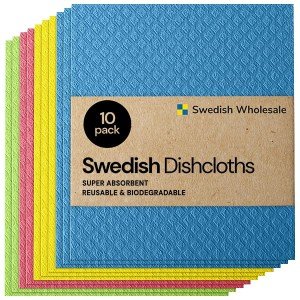
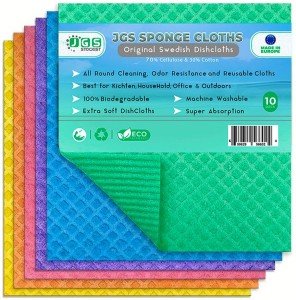
- The primary Carrier base consists of a blend of cellulose and cotton; check for a 70/30 ratio to ensure the best balance of stiffness and liquid capacity.
- Advanced Surfactant properties within the fibers help grab grease; keep the cloth free of fabric softeners which can coat these fibers and destroy their "lifting" ability.
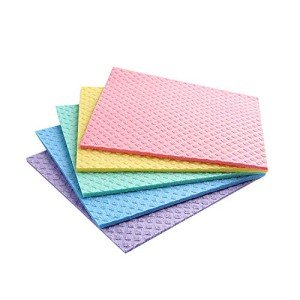
- The honeycomb Structural housing design creates a high surface area; rinse the cloth thoroughly after use to prevent food particles from clogging these specialized pores.
- Integrated Active ingredient features in some treated cloths defend against microbes; avoid using high-heat sanitization on these specific models to preserve the treatment.
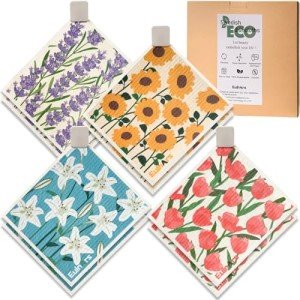
- The finished Surface coating ensures printed patterns remain non-toxic; avoid abrasive scouring on the printed side to keep the non-toxic inks from wearing away.
Related Categories
If you are researching full-room setups, you may also want to review the failure expectations for these related devices:
- Maintain a tidy countertop by pairing your cloths with Sink Caddies that facilitate proper airflow and quick drying between uses.
- Properly dispose of your worn-out, biodegradable towels by utilizing Countertop Compost Bins for an easy zero-waste transition.
- Keep your bulk supply of dry reusable rolls organized and accessible with Wall Mounted Paper Towel Wrap Dispensers.
- Upgrade your entire kitchen maintenance kit with Compostable Dish Sponges to eliminate plastic micro-particles from your water system.