Maintenance & Troubleshooting
Regularly flushing the trigger mechanism with distilled water prevents mineral crystallization and chemical etching of the internal gaskets. Proactive seal lubrication can extend the life of the pump piston by reducing friction during high-frequency use.
Common Failure Modes
Even the most robust refillable systems can encounter mechanical issues over hundreds of cycles of use.
- The constant compression and release of trigger springs often leads to Spring Elasticity Loss; periodically manually stretching the spring or choosing heavy-duty replacements can restore handle tension.
- Exposure to harsh concentrated chemicals can cause Seal Shrinkage; ensure you match your cleaner's pH to the specific gasket material (like NBR or Viton) to maintain a proper vacuum.
- Fine debris or undissolved cleaner tablets can lead to Abrasive Wear; always filter DIY solutions through a fine mesh before filling to protect the precision nozzle orifice.
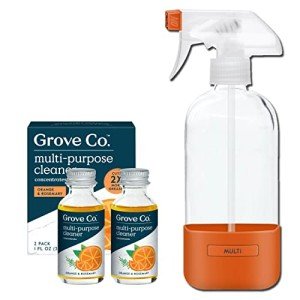
- Repeated physical handling and drops may result in Stress Cracking; utilizing silicone boots on the base of glass or plastic bottles can absorb the shock of impact at high-tension neck points.
- Over-tightening the spray head onto the bottle often causes Small Hardware Failure; stop turning immediately once the gasket meets the rim to prevent stripping the plastic threads.
- Internal pump components may eventually suffer from Cyclic Fatigue Failure; keep a set of universal replacement triggers on hand to swap out the pump assembly when the internal piston seals finally degrade.
Environmental Stress Factors
Where and how you store your cleaning supplies can drastically alter the material integrity of your bottles.
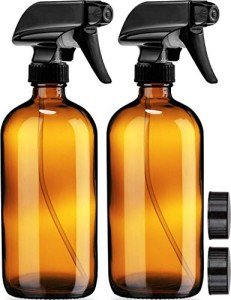
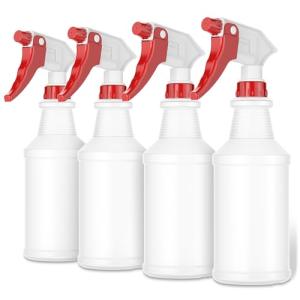
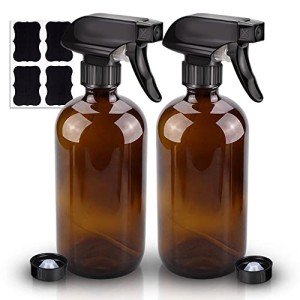
- Storing translucent bottles on windowsills leads to High UV Exposure; use opaque HDPE or amber glass containers to shield light-sensitive cleaning agents from polymer degradation.
- In laundry rooms or under-sink areas, High Humidity Acceleration can promote the growth of biofilm; ensure bottles are dried externally and stored in ventilated areas to prevent microbial colonization in the dip tubes.
- Using tap water to mix your concentrates often results in Hard Water Buildup; use distilled or demineralized water for all dilutions to prevent calcium deposits from clogging the spray head.
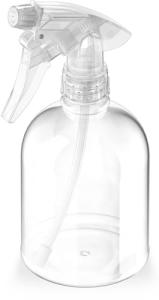
- Using non-compatible essential oils in certain plastics can lead to Cleaner Compatibility Conflict; always use glass or aluminum containers when using high concentrations of citrus or mint oils which can dissolve standard PET plastic.
Key Components
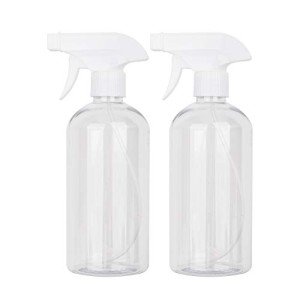
Each part of a refillable bottle is precision-engineered to manage fluid dynamics and ergonomic pressure.
- The most critical moving part is the Dispensing Mechanism, which requires routine clearing of the check valves to ensure consistent fluid movement.
- To prevent leaks during use, the Seal Gasket System must be inspected monthly for signs of brittleness or swelling caused by chemical exposure.
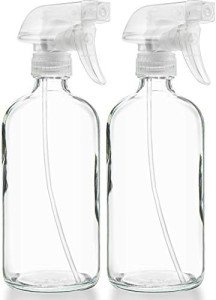
- The main body or Container Packaging System should be selected based on the solvent—aluminum for oils, glass for acids, and HDPE for general bases.
- Every trigger utilizes a Spring Elastic Component; look for stainless steel variants to avoid internal rust and corrosion when using water-based formulas.
- The outer layer often features a Surface Coating; check for "soft-touch" or textured finishes which provide essential grip when the bottle surface becomes wet or soapy.
Related Categories
If you are researching full-room setups, you may also want to review the failure expectations for these related devices:
- Keep your cleaning sprays organized and portable with Pull Out Cleaning Caddies designed for easy under-sink access.
- Store your bulk concentrates and refill supplies on Utility Shelf Organizers to maximize your laundry room or pantry space.
- Transform your cleaning routine by pairing your bottles with Mop and Broom Wall Mounts for a completely clutter-free utility closet.