Maintenance & Troubleshooting
Hand-washing your masks in lukewarm water and allowing them to air dry completely is the only way to prevent rapid fiber thinning and elastic degradation. Regularly inspecting the nose wire for signs of metal fatigue prevents sharp edges from puncturing the fabric and compromising the facial seal.
Common Failure Modes
Repeated use and improper cleaning can lead to structural vulnerabilities that compromise the protective capabilities of your cloth mask.
- Over time, the delicate threads around the filter pocket can suffer from Stitch Failure; reinforce loose seams immediately with a needle and thread to prevent the filter from shifting.
- Frequent machine washing at high speeds often causes Textile Fiber Thinning; use a mesh laundry bag and a delicate cycle to preserve the density of the protective fabric layers.
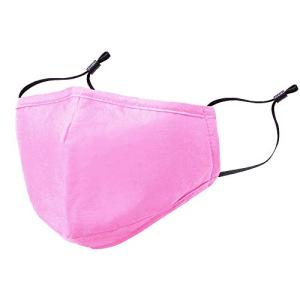
- The elastic ear loops are prone to Spring Elasticity Loss; install silicone cord adjusters to regain a tight facial seal if the loops begin to sag.
- Exposure to harsh detergents can lead to Fabric Fading; switch to pH-neutral soaps to maintain the integrity of the dyes and the underlying textile structure.
- Aggressive scrubbing or wringing the mask may result in Abrasive Wear; blot the mask with a towel instead of twisting it to avoid snapping the internal fibers.
- If stored while damp, the internal layers of the fabric are susceptible to Mold Growth; always hang the mask in a well-ventilated area until it is bone-dry before placing it in a bag or locker.
Environmental Stress Factors
External conditions play a significant role in how quickly the materials in your reusable mask break down over time.
- Prolonged drying in direct sunlight causes High UV Exposure; dry your masks indoors or in the shade to prevent synthetic fibers from becoming brittle and snapping.
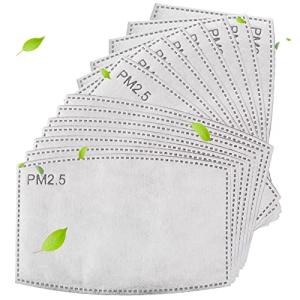
- Walking through smoggy areas increases Air Pollution Exposure; replace your PM2.5 filters every 16-24 hours of active use to ensure particulate buildup doesn't restrict airflow.
- Storing your masks in a bathroom or damp car creates High Humidity Acceleration; use a breathable cotton pouch for storage to allow residual moisture to evaporate.
- In arid climates, Low Humidity Desiccation can make edge bindings brittle; periodically check for cracking along the bias tape and replace masks that show signs of fraying.
Key Components
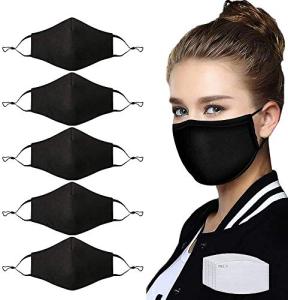
Each element of a PM2.5 mask is engineered to provide a balance of comfort, fit, and rigorous particulate filtration.
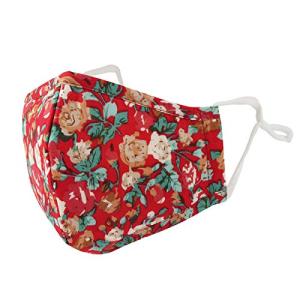
- The outer decorated layer acts as a Polymer Shell in some blends, serving as the first barrier against larger environmental droplets.
- The soft inner lining functions as an Upholstery Fabric, wicking moisture away from the skin to reduce irritation during extended wear.
- The integrated pocket serves as the Container Packaging for the replaceable carbon filter, ensuring the media stays positioned over the mouth and nose.
- The adjustable nose bridge uses a Fastener logic to mold the mask edge against the facial contours and prevent glass fogging.
- Advanced models may include a one-way valve, which utilizes a Seal Gasket to vent exhaled humidity while keeping incoming air filtered.
Related Categories
If you are researching comprehensive safety and personal organization, you may also want to review the failure expectations for these related devices: