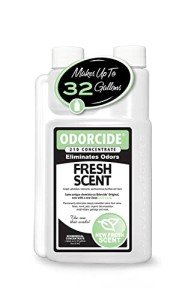
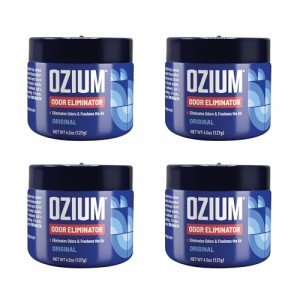
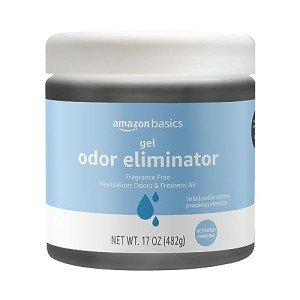
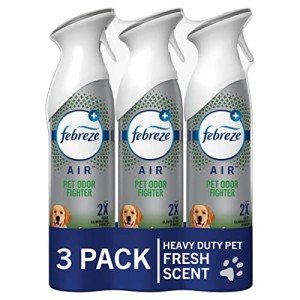
Maintenance & Troubleshooting
To prevent terminal nozzle clogs, always wipe the orifice after use to remove residual surfactants that can crystallize and seize the dispensing valve. For non-aerosol sprays, a vigorous ten-second agitation before every application is the only way to ensure the active bonding agents are properly emulsified for peak performance.
Common Failure Modes
Chemical and mechanical breakdowns can significantly reduce the effectiveness of neutralizers over time if they are not stored and used correctly.
- Heat exposure causes Fragrance Degradation; store your bottles in a climate-controlled area to prevent aromatic compounds from turning sour or medicinal.
- Inactive ingredients lead to Emulsion Separation; shake the container thoroughly before each spray to reintegrate the active neutralizing oils with the water-based carrier.
- Improperly sealed caps result in Volatile Loss; ensure all triggers are turned to the "off" position and caps are tightened to maintain the chemical concentration of the formula.
- Valve fatigue often causes Propellant Leakage; avoid storing aerosol cans on their side to prevent gas escape through the internal gaskets.
- Contamination leads to Microbial Risk; never "top off" an old bottle with tap water, as this introduces bacteria that can spoil the remaining preservative system.
- Unstable storage triggers PH Drift; test the spray on a hidden scrap of fabric if the bottle is over a year old to ensure it hasn't become corrosive to upholstery.
Environmental Stress Factors
The external environment plays a critical role in how quickly a neutralizer depletes or loses its molecular bonding capabilities.
- Bathroom storage causes High Humidity Acceleration; keep dry charcoal or powder-based units in airtight bins when not in use to prevent premature saturation of the media.
- Sunlit laundry rooms lead to High UV Exposure; move clear plastic bottles to opaque cabinets to prevent light from snapping the molecular bonds of the active ingredients.
- Workshop environments create a Dust Load; keep spray heads covered with their original caps to prevent particulates from clogging the fine-mist intake.
Key Components
Modern odor control relies on a sophisticated blend of chemical carriers and mechanical delivery systems to ensure full coverage.
- The Active Ingredient is the chemical engine; check for zinc ricinoleate or enzymatic bases depending on whether you are treating biological waste or VOCs.
- A robust Preservative is essential; look for paraben-free stabilizers that offer a minimum two-year shelf life in standard indoor conditions.
- Deep fiber cleaning requires a Surfactant; prioritize formulas with low-foaming surfactants if you are treating high-traffic upholstery to avoid soapy residue buildup.
- The Dispensing Mechanism must be high-quality; look for reinforced trigger housings that can withstand the high-torque repetitive pulls required for large rooms.
- The Container Packaging protects the formula; prioritize HDPE or light-blocking amber glass to ensure the chemistry remains stable against external light and heat.
If you are researching full-room air remediation or deep-tissue fabric care, you may also want to review the failure expectations for these related devices: