Maintenance & Troubleshooting
Regularly inspecting the header tape for structural warping allows you to reinforce high-stress seams before the weight of the acoustic core causes a total stitch failure. Keeping these heavy panels free of particulate load prevents abrasive fibers from grinding down the internal sound-dampening polymers during daily operation.
Common Failure Modes
Heavy acoustic drapery is subject to specific mechanical and material stresses that can compromise its effectiveness over time.
- The high mass of these panels frequently leads to Stitch Failure; use a heavy-duty upholstery thread to reinforce the top hem where the most tension occurs.
- Significant vertical weight often results in Structural Warping; use a rigid, high-gauge steel rod to prevent the header from bowing and leaking sound through the top.
- Extended hanging cycles lead to Textile Fiber Thinning; rotate panels seasonally to ensure that mechanical stress is not focused on a single section of the fabric.
- Frequent drawing of the curtains can cause Joint Loosening; tighten or replace grommet inserts at the first sign of play to avoid tearing the fabric header.
- The persistent pull of gravity causes Creep Deformation; hem the curtains 1/2 inch above the floor to allow for the inevitable vertical stretch over the first year of use.
- Operating heavy fabric against rough surfaces causes Abrasive Wear; ensure at least two inches of clearance from the wall to prevent the decorative face from pilling.
Environmental Stress Factors
External conditions significantly impact the longevity and hygiene of noise-reducing textile systems.
- Unprotected windows subject the linings to High UV Exposure; apply a UV-resistant clear film to the glass to prevent the internal sound-blocking polymers from becoming brittle.
- Thick, multi-layered textiles can trap moisture and cause Mold Growth; maintain a gap between the curtain and the glass to allow for airflow and condensation evaporation.
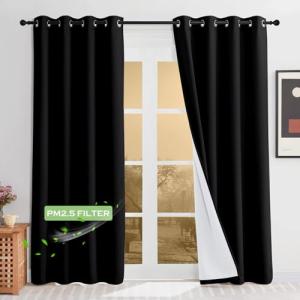
- The dense weave of these panels acts as a filter for Dust Load; use a vacuum with a HEPA filter and upholstery attachment monthly to prevent debris from weighing down the fibers.
Key Components
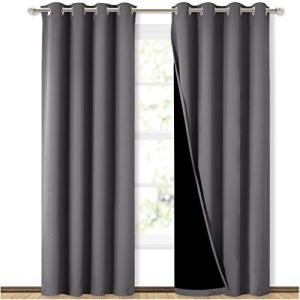
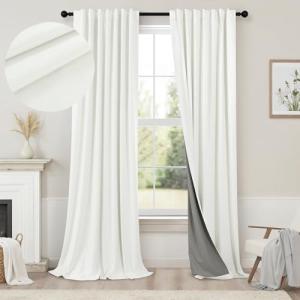
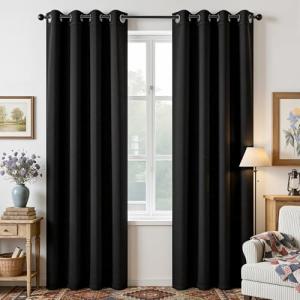
The performance of noise-reducing curtains relies on a combination of specialized materials and heavy-duty hardware.
- The Upholstery Fabric provides the initial aesthetic layer and should be chosen for high thread count to assist in high-frequency sound reflection.
- The internal Insulation consists of dense felt or non-woven fibers designed to convert sound energy into trace amounts of heat.
- A robust Structural Housing, such as a double-bracketed rod system, is critical to prevent the curtain from pulling out of the drywall.
- The Polymer Shell lining creates an airtight mass barrier that is essential for blocking lower-frequency sounds like traffic.
- The Fastener includes the rings or hooks that must be made of metal rather than plastic to support the shear weight of the textile.
Related Categories
If you are researching comprehensive sound and light management for your home, you may also find our forensic guides on these related categories helpful: