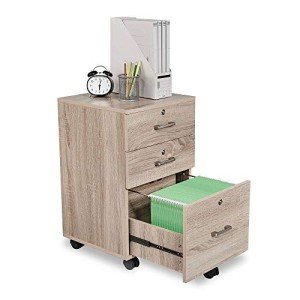
Maintenance & Troubleshooting
Regularly lubricating lock cylinders and inspecting caster swivel bearings prevents the mechanical binding that leads to frame torque and hinge failure. Maintaining the integrity of the powder coating is the only way to stop localized oxidation from progressing into structural rust-jacking.
Common Failure Modes
Mechanical fatigue and physical wear can compromise the structural integrity and security of mobile chests over time.
- Repeated movement over uneven surfaces can lead to Joint Loosening; check all external fasteners quarterly and apply a medium-strength thread locker to prevent frame sway.
- Excessive weight beyond rated limits often results in Overload Deformation; always distribute the heaviest tools across the base plate to avoid permanent bowing of the metal floor.
- The lid support system may experience Hinge Fatigue; inspect the pivot points for metal shavings and apply a lithium-based grease to reduce friction during high-frequency cycles.
- Continuous pressure on the mobility assembly can cause Sliding Track Wear; clear the tracks of debris weekly to ensure drawers operate without catching or jumping the rails.
- Heavy impacts during transport may lead to Impact Fracture; prioritize units with reinforced corner bumpers to dissipate energy and protect critical weld joints.
- Exposure to moisture without proper treatment often triggers Corrosion; touch up any deep scratches in the paint immediately to prevent moisture from reaching the underlying steel.
- Standard usage on vibration-heavy floors can initiate Vibration Crack Propagation; use rubber matting under the chest to dampen the resonance that causes fatigue cracks in the housing.
Environmental Stress Factors
The external environment plays a critical role in the preservation of the chest’s finish and mechanical parts.
- Operating in garages or basements subjects the unit to High Humidity Acceleration; place silica desiccant packs inside the chest to absorb moisture that would otherwise settle on the locking pins.
- In workshop settings, a heavy Dust Load can infiltrate mechanisms; use compressed air to blow out the lock cylinder and caster bearings to prevent internal abrasive wear.
- Storing the chest in non-climate-controlled vehicles exposes it to Temperature Extremes; check the tension of fasteners seasonally as thermal expansion can cause parts to back out of alignment.
- Using harsh industrial degreasers near the unit may cause Cleaner Compatibility Conflict; only use pH-neutral soaps on the exterior to preserve the chemical bond of the protective powder coating.
Key Components
Each chest is engineered with specific technical components designed for durability, security, and effortless transport.
- The primary Load Bearing Frame provides the essential rigidity required to support heavy equipment during transit.
- The exterior Structural Housing acts as the first line of defense against physical tampering and environmental hazards.
- Secure access is maintained through a robust Hinge Pivot Assembly that ensures the lid remains aligned and pry-resistant.
- For ease of movement, the Bearing System in the casters reduces rolling resistance even under maximum weight loads.
- Internal organization is facilitated by a high-strength Fastener System that keeps shelves and dividers firmly in place.
- Security is finalized by the Dispensing Mechanism, which in this context refers to the lock and latch engagement hardware.
Related Categories
If you are researching full-room security setups or portable protection, you may also want to review the failure expectations for these related devices: