Maintenance & Troubleshooting
Periodically tightening mounting screws or cleaning magnetic contact points prevents the micro-vibrations of the dryer from causing a total detachment. Wiping down the exterior with a pH-neutral cloth removes the chemical residues that otherwise initiate the pitting and peeling of protective finishes.
Common Failure Modes
Laundry environments subject storage accessories to repetitive physical stress and material degradation over time.
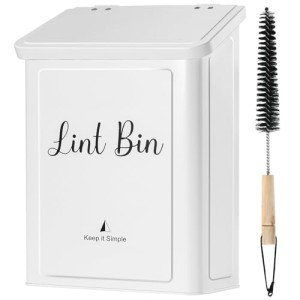
- Prevent Hinge Fatigue by applying a dry silicone lubricant to the pivot points to ensure the lid doesn't bind or snap during daily use.
- Avoid Structural Warping by keeping the bin away from direct contact with hot dryer exhaust vents, which can soften lower-grade plastics.
- Address Joint Loosening by adding rubber washers to wall mounts to dampen the mechanical energy transferred from the dryer's spinning cycle.
- Stop Coating Peeling by immediately cleaning away spilled detergent or bleach, which can act as a solvent against the unit's protective layer.
- Minimize Surface Scratching by using microfiber cleaning cloths instead of abrasive sponges, especially on high-gloss or acrylic surfaces.
- Counteract Overload Deformation by emptying the bin once it reaches the two-thirds mark, reducing the static weight pulling against the mounting bracket.
Environmental Stress Factors
The unique atmosphere of a laundry room presents specific challenges to the durability of organization hardware.
- Mitigate High Humidity Acceleration by ensuring adequate ventilation in the laundry room to prevent moisture from sitting on the metal frame and starting oxidation.
- Manage the Dust Load by vacuuming the internal crevices of the bin monthly, as accumulated lint can trap moisture and accelerate the decay of lid mechanisms.
- Reduce the impact of Temperature Extremes by mounting the holder on an interior wall rather than directly on the vibrating, heat-generating side of the appliance.
Key Components
Each element of a lint box holder is engineered to balance lightweight accessibility with long-term resilience.
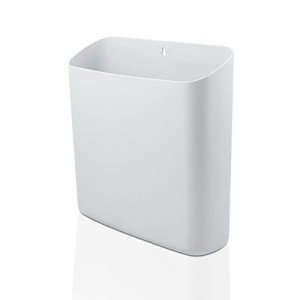
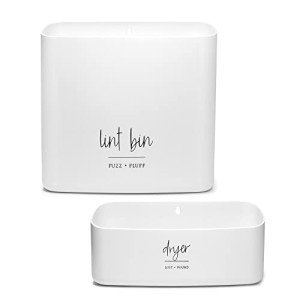
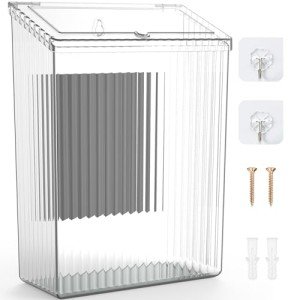
- The Structural Housing serves as the primary chassis; look for reinforced corners to ensure the unit retains its shape under stress.
- A secure Fastener System should include high-pull-strength magnets or expanding wall anchors to resist the torque of opening the bin.
- The Polymer Shell is the most common material for moisture-heavy zones, as it is naturally immune to the rust that affects steel models.
- Smooth operation relies on a Hinge Pivot Assembly that features enough clearance to avoid jamming when small amounts of lint enter the joint.
- A high-quality Surface Coating acts as a chemical barrier, preventing everyday laundry vapors from etching the underlying material.
If you are researching a full laundry room organization plan, you may also want to review the failure expectations for these related devices: