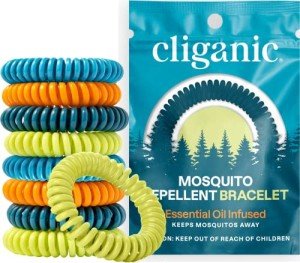
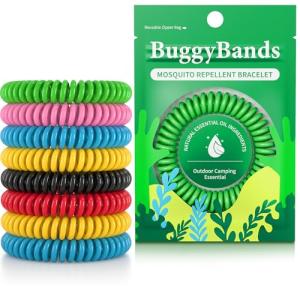
Maintenance & Troubleshooting
Maximizing the lifespan of a repellent wearable requires strict control over the diffusion environment. Since these devices rely on a finite chemical payload, preventing unintended evaporation during downtime is the single most effective way to ensure the hardware remains functional for its rated duration.
Common Failure Modes
Recognizing the physical and chemical breakdown of these devices helps prevent using a bracelet that has lost its protective capabilities.
- To combat Volatile Loss, always store the band in a non-porous, airtight container between uses to halt the evaporation of active oils.
- Prevent Fragrance Degradation by keeping the device in a cool, dark place, as thermal energy can alter the chemical profile of the repellent.
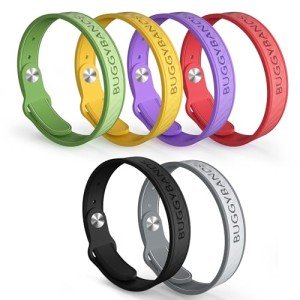
- Address UV Embrittlement by inspecting silicone for micro-cracks; once the material loses elasticity, it should be replaced to avoid sudden snapping.
- If you notice Solvent Evaporation Shift, check the seal on liquid-filled reservoirs, as a hardened core indicates the active ingredients are no longer mobile.
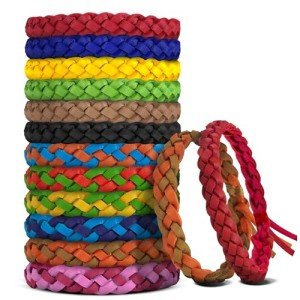
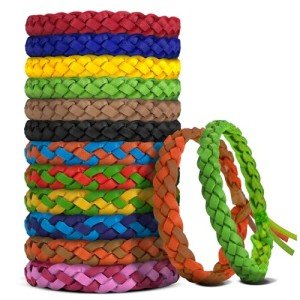
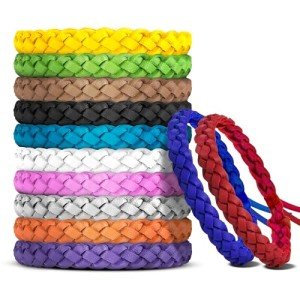
- For fabric bands, monitor for Stitch Failure and reinforce loose threads immediately to prevent the loss of the repellent-infused pellet.
- Manage Surface Scratching by cleaning the band with mild soap and water to remove skin oils and bacteria that accumulate in the grooves.
Environmental Stress Factors
Environmental conditions accelerate the degradation of both the structural housing and the chemical efficacy of the repellent.
- Reduce High UV Exposure by covering the bracelet with a sleeve when in direct sunlight for extended periods to preserve the polymer's molecular bonds.
- Avoid High Humidity Acceleration by ensuring the band is completely dry before sealing it away, which prevents the growth of mold on fabric or porous materials.
- Prevent Cleaner Compatibility Conflict by applying sunscreens and lotions first and letting them dry completely before putting on the bracelet to avoid chemical softening.
- Mitigate Pest Intrusion by storing bulk supplies in hard-shell plastic bins, as some insects are actually attracted to the carrier materials used in the bands.
Key Components
Understanding the architecture of the wearable helps you identify which part of the system is failing when performance drops.
- The Active Ingredient System is the core payload; ensure it remains saturated and does not appear discolored or dried out.
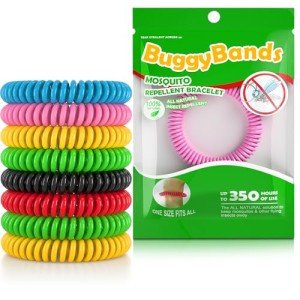
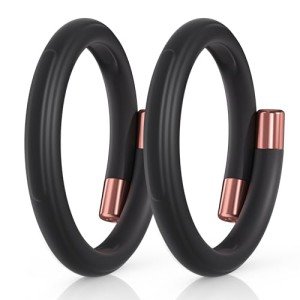
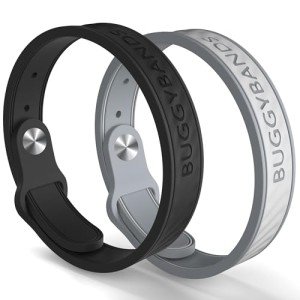
- The Polymer Shell acts as the structural chassis; it must remain flexible to properly contour to the wrist without creating pressure points.
- Check the Fastener System regularly for mechanical wear, as a failing clasp is the most common cause of losing the device in the field.
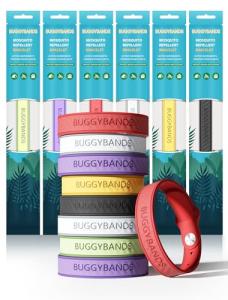
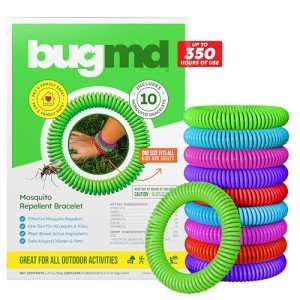
- The Container Packaging System is critical for shelf-life; if the original bag is punctured, transfer the bracelet to a high-quality Mylar bag.
- The Fragrance System works in tandem with the repellent; if the scent is no longer detectable, the effective radius has likely collapsed.
- The Carrier Base System dictates the release timing; consistent temperature management is required to keep this base from releasing the repellent too quickly.
If you are researching full-room setups or mobile protection, you may also want to review the failure expectations for these related devices: