Maintenance & Troubleshooting
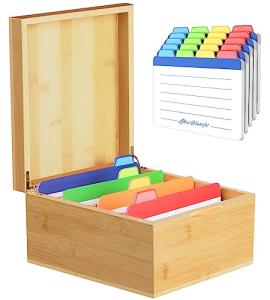
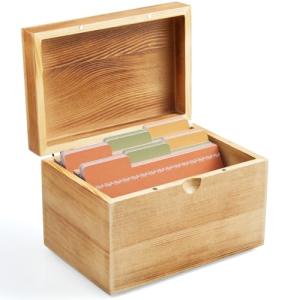
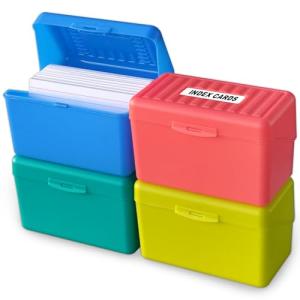
Routine inspection of hinge pins and latch tension prevents the sudden failure of the container during transport. Regularly vacuuming the interior floor of the box removes abrasive paper dust that can act as sandpaper against the bottom edges of your index cards.
Common Failure Modes
Daily interaction with filing systems can lead to mechanical fatigue and material degradation if the units are not handled with care.
- To prevent structural warping, leave at least a half-inch of "wiggle room" so cards don't exert outward pressure on the sidewalls.
- Address hinge fatigue by avoiding over-extension of the lid; ensure the box rests on a flat surface that supports the lid when fully open.
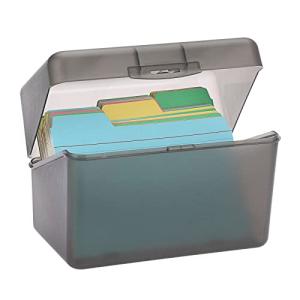
- Avoid an impact fracture by choosing reinforced polypropylene over brittle acrylic if the box will be used in high-traffic or mobile environments.
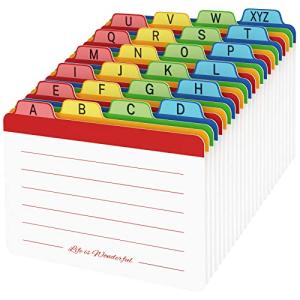
- Reduce abrasive wear by using coated card stock or plastic dividers, which slide more smoothly than raw card-to-card contact.
- Prevent overload deformation by limiting stacks to three units high and placing the heaviest boxes at the bottom of the stack.
- Mitigate small hardware failure by applying a tiny amount of dry lubricant to sliding latches to reduce friction and snap-risk.
Environmental Stress Factors
The environment where you store your index cards significantly impacts the longevity of both the box and the paper contents.
- Combat high humidity by placing a silica desiccant packet inside the box to keep paper fibers dry and crisp.
- Block high UV exposure by choosing opaque containers or storing clear boxes inside a desk drawer to stop plastic yellowing.
- Minimize dust load by wiping the exterior lid weekly and ensuring the fastener is fully engaged when the box is not in active use.
Key Components
The engineering behind a quality filing box ensures that every part works together to facilitate easy information retrieval.
- The load bearing frame is the skeleton of the unit; look for reinforced corners that distribute weight evenly.
- A robust hinge pivot assembly should feature a full-length pin rather than plastic tabs to ensure the lid remains aligned over years of use.
- The polymer shell serves as the primary defense against spills; thicker walls indicate better resistance to temperature-induced warping.
- An effective fastener system should provide a distinct "click" to confirm a secure, transport-ready seal.
- Properly designed structural housing includes recessed lids and molded feet to facilitate secure vertical nesting.
If you are optimizing your desktop workflow or archival strategy, you may also want to investigate the durability and maintenance needs of these related categories: