Maintenance & Troubleshooting
Regularly clearing carbonized insect debris from the inner grid prevents electrical tracking that can permanently short-circuit the transformer. Storing the device in a climate-controlled area preserves the chemical stability of the internal battery and prevents the plastic frame from becoming brittle.
Common Failure Modes
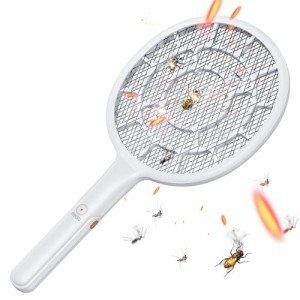
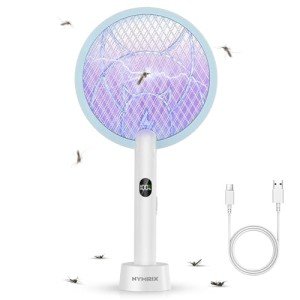
Electrical and mechanical breakdowns can render a high-voltage racket useless if not properly monitored.
- To prevent Capacitor Dry-out, avoid leaving the trigger depressed for extended periods without hitting an insect to reduce internal heat buildup.
- Address Switch Contact Wear by pressing the trigger firmly and centrally to minimize internal arcing within the handle button.
- Reduce the risk of Vibration Crack Propagation by avoiding "follow-through" swings that result in the racket head striking furniture or hard walls.
- If an insect becomes lodged, turn the power off immediately to prevent PCB Overheating and use a soft brush to clear the obstruction.
- Combat Battery Fade by performing a full charge cycle once a month during the off-season to keep the lithium or NiMH cells active.
- Check for Joint Loosening regularly; if the head wobbles, tighten the housing screws to prevent the internal wiring from snapping.
- Reverse Contact Oxidation by using a specialized electronic contact cleaner on the charging ports if the device fails to draw power.
Environmental Stress Factors
The conditions in which you store and use your electric racket dictate its overall operational lifespan.
- To mitigate High Humidity Acceleration, store the device inside a dry closet rather than on a covered porch where damp air can corrode the mesh.
- Prevent Dust Load accumulation by storing the racket in its original sleeve or a bag, as dust can cause the grid to "fire" spontaneously.
- Avoid High UV Exposure by keeping the tool out of direct sunlight, which prevents the polymer mesh supports from cracking during use.
- Protect against Temperature Extremes by never leaving the device in a hot car, as high heat can cause the internal battery to swell or leak.
Key Components
Each part of the racket is engineered to safely deliver a lethal shock while protecting the operator.
- The Battery System serves as the primary energy reservoir; keep it charged to ensure consistent discharge amperage.
- The Relay Switch Assembly acts as the gatekeeper for the high-voltage circuit; avoid rapid-fire clicking to extend its mechanical life.
- A high-grade Polymer Shell is essential for insulation; inspect it for cracks to ensure you don't receive a secondary shock.
- The Wiring Harness routes the stepped-up current; ensure the handle remains tightly sealed to prevent wire fatigue.
- Detailed management of the electrical pulse is handled by Electronic Control Boards, which are susceptible to moisture damage.
- The Load Bearing Frame keeps the electrified mesh layers separated; any warping here can cause constant, battery-draining short circuits.
Related Categories
If you are researching full-room setups, you may also want to review the failure expectations for these related devices:



![Electric Fly Swatter [Set of 2] Handheld Bug Zapper Racket for Indoor/Outdoor - Powerfull 1500 Volt Instant Flies/Bug & Mosquito - Portable Fly Zapper Battery Operated (AA Batteries not Included)](https://cdn.freshstore.cloud/offer/images/18281/44857/c/electric-fly-swatter-set-of-2-handheld-bug-zapper-racket-for-indoor-outdoor-powerfull-1500-volt-instant-flies-bug-mosquito-portable-fly-zapper-battery-operated-aa-batteries-not-included-4485-small.jpg)