Maintenance & Troubleshooting
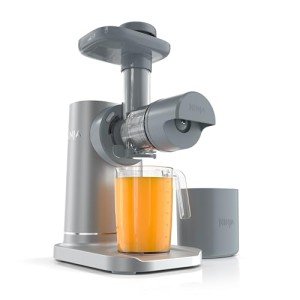
Preventing motor seizure requires clearing the pulp ejection chute every 16 ounces of fibrous leafy greens to eliminate back-pressure on the drive gears. Regularly lubricating the central silicone drive-shaft seal prevents fruit acids from migrating into the bearing housing, which is the leading cause of "grinding" noises and total motor failure.
Common Failure Modes
Mechanical and electrical issues can arise from heavy daily use or improper cleaning habits, often impacting the motor and internal circuitry.
- Prevent thermal overload stress by cutting fibrous celery and kale into small one-inch pieces to reduce the torque required for extraction.
- Minimize bearing wear rotational friction by ensuring the auger is fully seated before operation, preventing off-axis wobbling that degrades internal bushings.
- Reduce the risk of a solder joint crack by placing the unit on a heavy silicone mat to dampen the high-frequency vibrations caused by hard root vegetables.
- Address insulation breakdown by allowing the motor to cool for 15 minutes between 30-minute sessions to preserve the integrity of the copper windings.
- Avoid gear tooth wear by never using the plunger to force produce into the chute; let the auger's natural "bite" pull the ingredients in at its own pace.
- Stop contact oxidation by wiping the base unit with a damp cloth only, ensuring no liquid pools around the power switch or safety interlocks.
Environmental Stress Factors
The kitchen environment presents unique challenges that can degrade the structural integrity and hygiene of your juicing equipment.
- Mitigate high UV exposure by storing transparent components in a cabinet when not in use to prevent the plastic from becoming brittle or yellowed.
- Counteract high humidity acceleration by thoroughly air-drying the silicone gaskets and mesh filters before reassembling the unit for storage.
- Reduce the dust load by using a vacuum attachment on the bottom intake vents once a month to ensure the internal cooling fan maintains maximum airflow.
Key Components
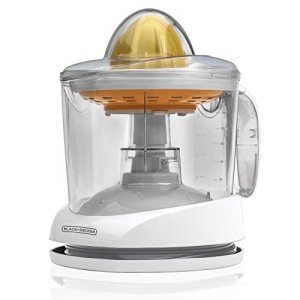
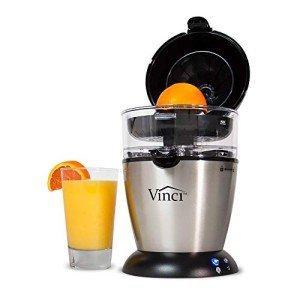
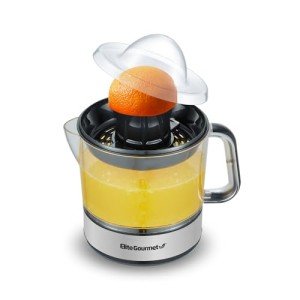
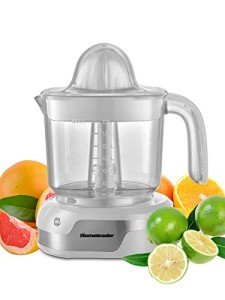
Every electric juice press relies on a sophisticated assembly of parts to transform whole produce into liquid nutrition efficiently.
- The motor assembly is the drivetrain's power source, typically utilizing high-reduction gearing to maximize crushing force at low RPMs.
- An integrated airflow ventilation system is critical for venting the heat generated by the resistance of processing dense vegetables.
- Detailed research on how electronic control boards manage smart storage highlights how moisture-sensing logic prevents the motor from engaging if parts are misaligned.
- A durable seal gasket system acts as the primary barrier between the juice bowl and the high-voltage electrical base.
- The structural housing provides the necessary mass to prevent the machine from "walking" across the counter during high-torque extractions.
If you are optimizing your kitchen for fresh ingredient processing, you may also want to review the hardware durability of these related categories: