Transitioning to a plastic-free kitchen doesn't mean sacrificing cleaning power. Modern compostable sponges utilize high-performance natural fibers to tackle everything from delicate glassware to heavy-duty cast iron. This guide explores how to select and maintain the best eco-friendly tools for your sink.
💡 Expert Usage Tips
To maximize the lifespan of your natural sponges, always wring them out completely and store them in a well-ventilated sink caddy to allow airflow. Since these lack synthetic chemicals, moisture management is key to preventing odors. For stiffer materials like palm fiber or loofah, a quick soak in warm water before the first use will "break in" the fibers for better flexibility. Avoid using boiling water on dual-sided sponges, as extreme heat can weaken the natural resins used for bonding.
🛡️ Material & Durability
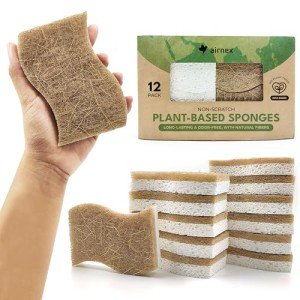
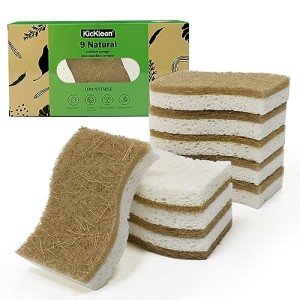
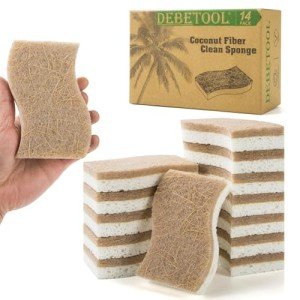
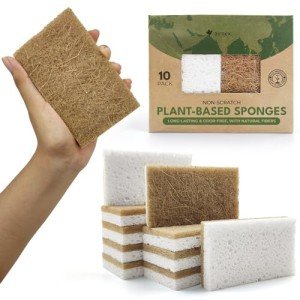
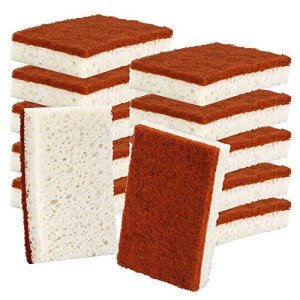
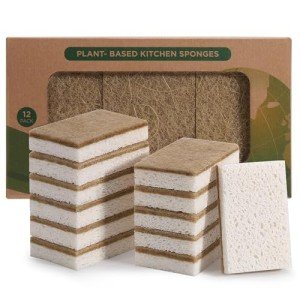
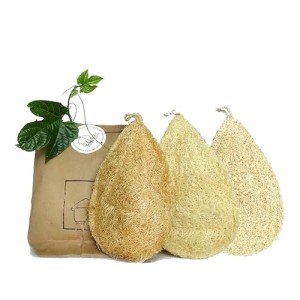
Compostable sponges are generally made from three core components. The absorbent base is typically Wood Pulp Cellulose, which can hold up to 10x its weight in water. For scrubbing, you will find Coconut Coir (durable and medium-abrasive), Sisal Hemp (softer for non-stick), or Walnut Shells (non-scratch but effective). While synthetic sponges might last months, these natural versions typically have a 3 to 5-week lifespan. For specialized scrubbing, many users prefer the Natural Loofah for its high-friction texture.
✅ What to Look For & ⚠️ What to Avoid
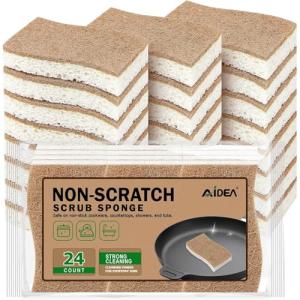
Must-Haves: Look for thermal-fusion or natural resin bonding to ensure the layers don't peel. If you have delicate pans, prioritize non-scratch sisal. For high-volume households, a 20-count bulk pack is more economical. Additionally, consider Sponge Cloths for streak-free countertop wiping.
Warnings: Avoid sponges that use synthetic glues if you plan to backyard compost. Be wary of "natural" sponges that still use nylon scrubbing layers, as these will shed microplastics into your drain. Always check for FSC Certification to ensure the wood pulp is sustainably sourced.
| Best For |
Model |
Why It Wins |
| All-Around Performance |
Airnex 12-Pack |
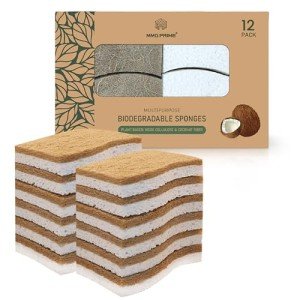
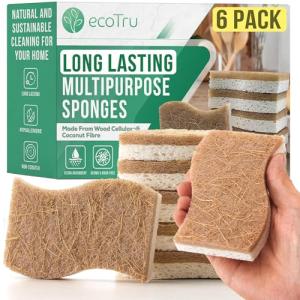
Dual-density coconut husk and cellulose; holds shape for 5 weeks. |
| Heavy-Duty Scrubbing |
Panyee Palm Fiber |
High lignin content stays rigid; oleophobic fibers release grease easily. |
| Delicate Surfaces |
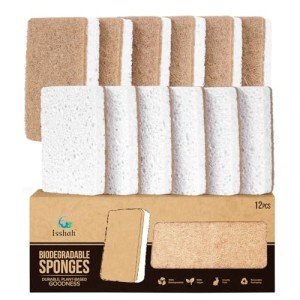
Isshah Sisal Hemp |
PETA-approved and FSC-certified; ultra-soft for fine ceramic and non-stick. |
| Countertop Spills |
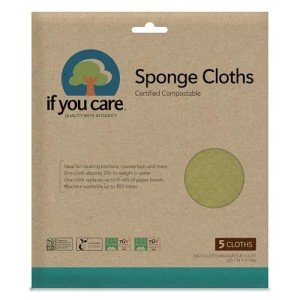
If You Care Cloths |
Holds 20x its weight in liquid; streak-free honeycomb texture. |
❓ Frequently Asked Questions
Can I put these sponges in the dishwasher?
Yes, most compostable cellulose sponges can be sanitized in the top rack of the dishwasher. However, avoid high-heat "pro" cycles which may degrade natural plant-based resins.
How long does it take for them to compost?
In a standard backyard compost bin, these sponges typically break down within 6 to 12 months. Shredding them into smaller pieces before tossing them in the bin will accelerate the process.
Are they safe for non-stick pans?
Most are rated "non-scratch," especially those using walnut husk or sisal. Coconut and palm fiber are sturdier; while generally safe, use light pressure on very delicate or low-grade coatings.