Maintenance & Troubleshooting
Regularly inspecting the underside of the basin for hairline cracks ensures a microscopic leak doesn't ruin your subflooring. Periodically rotating the tray prevents permanent material creep caused by heavy work boots resting on the same load points for months.
Common Failure Modes
Over time, even the toughest utility trays can succumb to physical stresses and material fatigue that compromise their ability to hold liquids.
- Repeated heavy impacts or dropping the tray when full of frozen debris can lead to a sudden Impact Fracture in the base. Solution: Warm the tray to room temperature before attempting to knock out stubborn ice to maintain material flexibility.
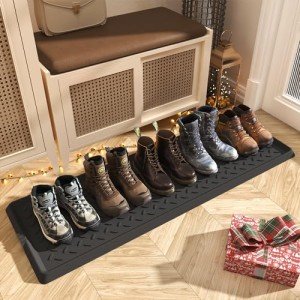
- Leaving heavy boots in the same spot for months may cause Creep Deformation which creates uneven pools of water. Solution: Vary the placement of heavy footwear weekly to redistribute the mechanical load.
- Constant dragging across abrasive tile or concrete floors can lead to Surface Scratching that traps dirt and bacteria. Solution: Lift the tray fully when moving it or apply adhesive felt pads to the contact points to reduce friction.
- Low-quality plastics often experience Stress Cracking near the corners where liquid weight is most concentrated. Solution: Choose trays with reinforced, radiused corners rather than sharp 90-degree angles to better distribute fluid pressure.
- If the tray is stored near a high-heat radiator, you may notice Heat Warping that prevents it from sitting flush. Solution: Maintain a minimum 6-inch clearance from active heat sources to prevent thermal distortion of the polymer.
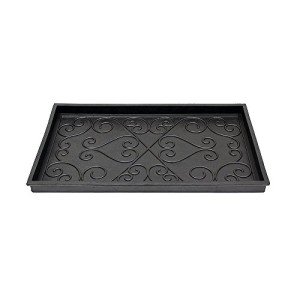
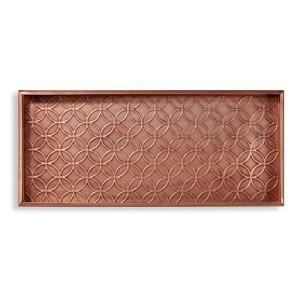
- The protective finish on decorative metal trays is susceptible to Coating Peeling after prolonged exposure to moisture. Solution: Apply a thin coat of car wax or a clear sealant annually to provide an extra hydrophobic barrier.
- Poorly maintained rubberized trays might suffer from Elastomer Hardening, making them brittle and prone to snaps. Solution: Use a specialized rubber conditioner every six months to keep the material supple and prevent dry rot.
Environmental Stress Factors
The conditions of your entryway significantly impact the lifespan and hygiene of your footwear storage solutions.
- Winter road treatments can lead to Salt Exposure which corrodes metal trays and dries out certain rubber compounds. Prevention: Rinse the tray thoroughly once a week during winter to neutralize caustic chemical residues.
- In damp mudrooms, stagnant water trapped under boots can facilitate Mold Growth if the tray isn't cleaned regularly. Prevention: Use a tray with high internal ridges to ensure airflow reaches the soles of the shoes.
- Placing trays in direct sunlight near glass doors leads to High UV Exposure, causing color fading and brittleness. Prevention: Select trays specifically rated for UV resistance if they will be positioned in south-facing entryways.
- Outdoor porch placement subjects the material to Temperature Extremes that can cause rapid expansion and contraction cycles. Prevention: Opt for high-density polyethylene (HDPE) materials which offer a higher tolerance for extreme thermal fluctuations.
Key Components
High-performance boot trays rely on specific design features to manage moisture and provide a stable platform for footwear.
- The rigid Polymer Shell serves as the primary waterproof basin that prevents leaks onto your expensive rugs. Maintenance: Inspect annually for "crazing" or tiny spider-web cracks that indicate the shell is nearing failure.
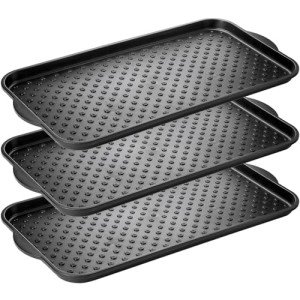
- An integrated Structural Housing with raised ridges keeps boot soles elevated above the collected drainage water. Maintenance: Scrub between ridges with a soft brush to prevent the buildup of abrasive grit that can wear down the texture.
- Advanced models feature a Surface Coating designed to repel stains and make the cleaning process much faster. Maintenance: Avoid harsh chemical cleaners that can strip this protective layer; use mild soap and water instead.
- The reinforced Container Packaging ensures the tall sidewalls maintain their shape even when supporting heavy work boots. Maintenance: Check that the walls remain perpendicular to the base to ensure the tray retains its full volume capacity.
- Some modular trays utilize a Fastener System to snap multiple units together for a customized entryway configuration. Maintenance: Ensure fasteners are free of debris to prevent them from popping loose under a heavy load.
- The underside often incorporates a Seal Gasket or non-slip feet to prevent the tray from sliding. Maintenance: Clean the non-slip pads regularly, as dust buildup can turn them into an abrasive surface that scratches floor finishes.
Related Categories
If you are researching full-room setups, you may also want to review the failure expectations for these related devices: