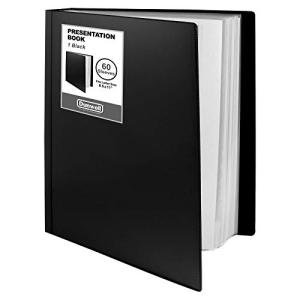
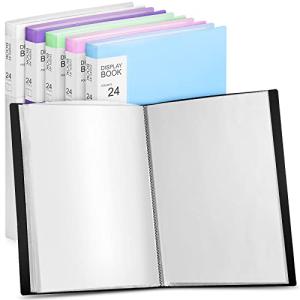
Maintenance & Troubleshooting
Regularly lubricating the ring pivot points with a dry PTFE spray prevents the metal-on-metal friction that lead to misalignment. Periodically rotating high-capacity binders in vertical storage prevents the "lean" that causes permanent spine warping and ring gapping.
Common Failure Modes
Daily use and heavy document loads can lead to mechanical and material degradation over time.
- Repeated opening and closing of metal rings often results in Hinge Fatigue; check for snap-back tension regularly and replace units where the rings no longer meet flush to prevent page tearing.
- Overloading binders beyond their capacity leads to Overload Deformation; adhere strictly to the manufacturer's sheet count to prevent the rings from pulling away from the rivets.
- Poor quality plastic sleeves are susceptible to Surface Scratching; use top-loading polypropylene protectors to minimize the abrasive contact that occurs during page turns.
- Inferior binding materials may suffer from Adhesive Bond Failure; store binders vertically rather than stacked to reduce the heat and pressure that cause vinyl delamination.
- Low-grade pocket inserts frequently experience Stitch Failure; reinforce the punched margins of high-traffic documents with adhesive "donuts" to distribute the weight across the rings.
- Transparent covers can become unsightly due to Acrylic Clouding; clean only with specialized plastic polish and avoid alcohol-based sanitizers that trigger chemical crazing.
- Frequent movement of pages across the metal rings causes Abrasive Wear; choose D-ring mechanisms over round rings to keep the hole-punched edges stationary while the binder is closed.
Environmental Stress Factors
The longevity of your documents is highly dependent on the climate and conditions of your storage area.
- Storing binders in direct sunlight leads to High UV Exposure; use opaque binders or enclosed storage cabinets to block the radiation that turns PVC brittle and yellows your paper.
- Damp basements or humid offices can trigger High Humidity Acceleration; maintain a humidity level below 50% or use desiccant packs in storage boxes to prevent ring oxidation and foxing on paper.
- Long-term storage in non-climate-controlled units exposes materials to Temperature Extremes; avoid attic storage where rapid thermal cycling causes the vinyl skin to expand and contract until it cracks.
- Accumulated particles in the air can lead to Dust Load; keep binders in slipcases to prevent fine grit from entering the sleeves and acting as an abrasive against sensitive document surfaces.
Key Components
Every element of a binder system is engineered to provide specific structural or protective benefits.
- The rigid Structural Housing acts as the primary frame; ensure the internal board is made of high-density chipboard to resist crushing and bending.
- A high-quality Polymer Shell protects the inner core; look for "Non-Stick" or "Archival Safe" materials to prevent ink-transfer between the binder and its contents.
- The internal Fastener System is the organizational core; inspect the gauge of the steel to ensure the rings can support the full weight of a maximum sheet load.
- Reliable Hinge Pivot Assembly determines the opening angle; look for reinforced "tear-resistant" hinges that allow the binder to lay flat without stressing the spine seams.
- The Spring Elastic Component inside the trigger mechanism provides the closing force; test the tension to ensure a sharp, audible "click" that confirms a secure lock.
Related Categories
If you are researching a full-room archival or office setup, you may also want to review the failure expectations for these related devices: