Maintenance & Troubleshooting
Consistent system flushing is the only way to prevent residual chemical crystallization from scouring the internal pump cylinder. Replacing O-rings annually and using silicone-based lubricants on the piston rod will maintain the vacuum seal required for effortless manual pressurization.
Common Failure Modes
Identifying mechanical issues early can prevent leaks and maintain the high-pressure output necessary for effective yard treatments.
- To combat Cyclic Fatigue, regularly inspect the pump handle pivot points for hairline fractures and avoid over-extending the stroke during manual pumping.
- Prevent Elastomer Hardening by triple-rinsing the tank with fresh water after every use to ensure no chemical residue sits against the seals.
- Stop Stress Cracking by completely draining the pump, hose, and wand before winter storage to prevent internal ice expansion.
- Reduce Abrasive Wear by pre-dissolving granular fertilizers in a separate bucket and using a fine mesh filter when pouring the liquid into the sprayer tank.
- Address Seal Shrinkage by switching to Viton-equipped sprayers if you frequently apply petroleum-based herbicides that dissolve standard rubber gaskets.
- Prevent Corrosion by drying the metal wand and spring assembly after use, as trapped moisture leads to pitting and eventual valve failure.
Environmental Stress Factors
The conditions in which you store and operate your sprayer significantly impact the integrity of its specialized polymer construction.
- Minimize High UV Exposure by storing the sprayer in a dark cabinet or under an opaque cover, as ultraviolet rays rapidly degrade the structural polyethylene.
- In coastal areas, mitigate Salt Exposure by washing down the external hardware and clips with fresh water to prevent the accelerated oxidation of metal components.
- Stop Mold Growth by leaving the tank lid slightly ajar during storage to allow internal airflow and complete evaporation of residual moisture.
- Handle Temperature Extremes by avoiding the storage of a full tank in direct summer heat, which can warp the plastic chassis and compromise the harness mounting points.
Key Components
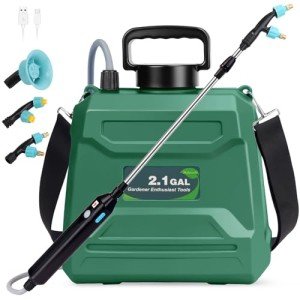
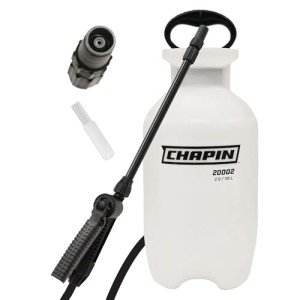
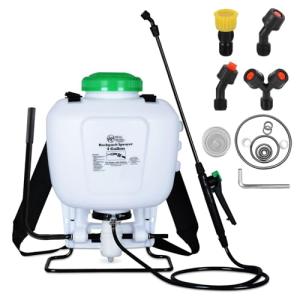
Every part of the sprayer, from the harness to the pump, is designed to balance heavy-duty performance with user comfort.
- The Polymer Shell must be inspected for "whitening" or bulging, which are early signs of structural wall thinning under pressure.
- The Upholstery Fabric Layer should be hosed off if chemicals spill, as dried pesticides can degrade the padding and cause skin irritation.
- The Seal Gasket is the most vulnerable part of the pressure circuit; keep a spare kit on hand for immediate field replacement.
- The Spring Elastic Component provides the shut-off tension in the handle; if the wand drips when released, the spring has likely lost its tension or is blocked by debris.
- The Structural Housing aligns the pump piston; ensure the mounting bolts are tight to prevent "slop" that leads to uneven piston wear.
If you are researching high-volume application tools or property maintenance equipment, you may also want to review these related devices: