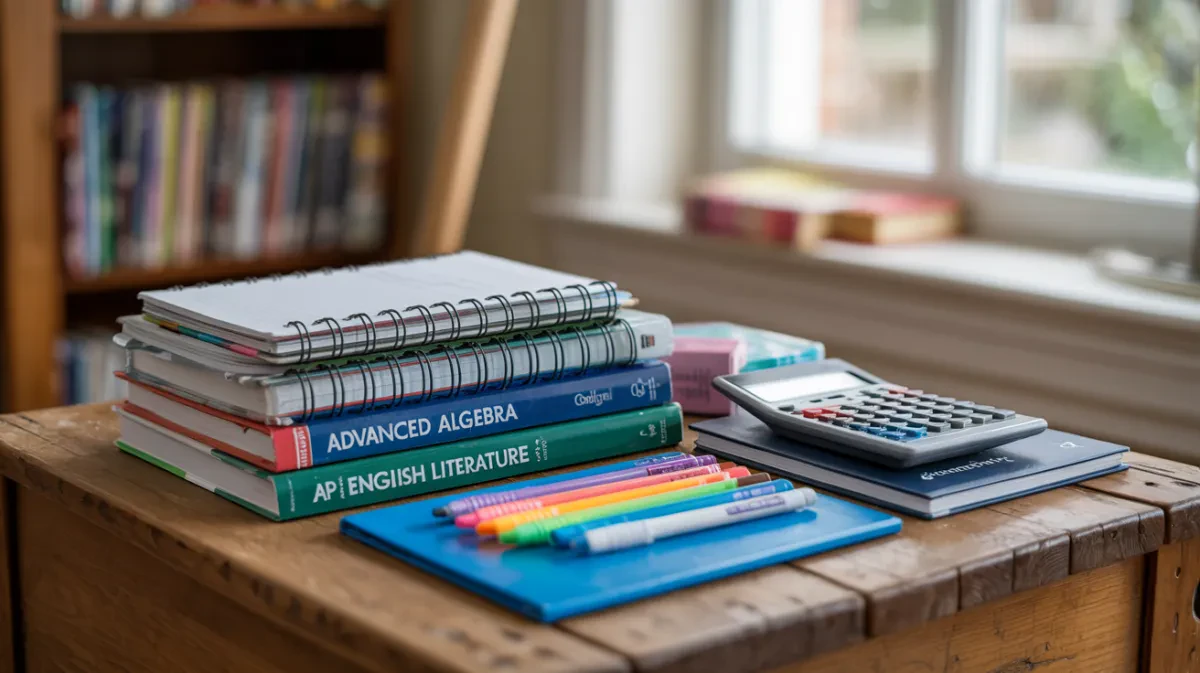
The modern student juggles an incredible amount of material: textbooks, notebooks, various writing instruments, chargers, art supplies, and countless handouts. This volume of material, when left unchecked, quickly spirals into chaos. A disorganized learning environment doesn't just look bad; it actively hinders academic success. Time spent searching for a needed supply is time stolen from studying or completing homework.
Ready to transform your student's workspace and streamline their academic life? These seven detailed school supplies organization hacks are designed to simplify routines, reduce stress, and promote a focused, productive learning environment all year long.
1. The Vertical Caddy System: Reclaiming the Desktop
The desktop should be a workspace, not a storage unit. When supplies spread horizontally, they take up valuable real estate needed for textbooks and laptops. The solution is simple: go vertical.
-
The Hack Explained: Invest in a sturdy, multi-tiered desk caddy. Think beyond simple pen cups; look for organizers that offer small drawers, open slots, and varying-sized compartments. Products originally intended for bathroom vanity organization (like makeup brush holders or shower caddies) often work exceptionally well because they are designed to hold small, frequently used items upright.
-
Implementation Strategy: Dedicate specific tiers to specific uses. The top level should hold the most frequently used items: two perfectly sharpened pencils, two pens, a highlighter, and an eraser. The middle level can hold secondary items: sticky notes, paper clips, rubber bands, and perhaps a small ruler. Drawers below can be used for backup supplies or less common items like spare calculator batteries or correction fluid.
-
Benefits: This method ensures that the core tools are always visible and accessible, eliminating the "rummaging" phase before starting homework. By stacking supplies, you free up the center of the desk, creating a clearer psychological space for concentration. Furthermore, when it's time to clean the desk, the entire caddy can be moved in one motion. This encourages a quick daily reset—the cornerstone of long-term organization success. For students with limited space, this vertical approach is non-negotiable for maintaining order.
2. Color-Coded Subject Binders: Eliminating Paper Clutter
Paper is arguably the biggest contributor to school chaos. Handouts, notes, worksheets, and syllabi from multiple classes quickly blend into an overwhelming pile. Color-coding provides instant visual clarity.
-
The Hack Explained: Assign one distinct color to every academic subject. Math is always Red. Science is always Blue. History is always Green. This color must be consistent across all materials related to that subject: the binder, the notebook, the folder, and any tab dividers used.
-
Implementation Strategy: The key is discipline and consistency. Do not allow a red paper to end up in the blue binder. Use robust three-ring binders over simple folders, as binders prevent papers from falling out and allow for the use of dividers. Within each binder, create clearly labeled sections: "Notes," "Handouts/Worksheets," "Quizzes/Tests," and "Syllabus/Reference." If multiple binders are stored together, use matching colored label holders on the spine so the subject is identifiable without pulling the binder off the shelf.
-
Benefits: This system vastly reduces the cognitive load required to find materials. When a student knows they need their Math materials, their eye goes instantly to the red items. It also simplifies packing the backpack; they only need to grab the binders matching the next day’s schedule. This makes the crucial process of filing and retrieving papers intuitive and fast, preventing that dreaded "messy middle" of the semester.
3. The Zipper Pouch Backpack Kit: Organized Portability
A single, bulky pencil case often fails because it becomes a dumping ground. Supplies jostle, break, and become difficult to locate in the bottom of a backpack.
-
The Hack Explained: Replace the single case with a modular system of smaller, durable zipper pouches. These should ideally be transparent or mesh, allowing the contents to be seen without opening them. Group supplies by function or class.
-
Implementation Strategy: Create three distinct pouches:
-
Pouch A (Daily Essentials): 3-4 preferred pens/pencils, 1 high-quality eraser, 1 small sharpener, and perhaps a stick of lip balm or a pack of mints. This pouch never leaves the backpack.
-
Pouch B (Project/Math Tools): Colored pencils/markers, a protractor, compass, and calculator batteries. These are only pulled out when needed for specific assignments.
-
Pouch C (Tech & Wires): Earbuds, phone charger, calculator cord, and a small external flash drive.
-
-
Benefits: This compartmentalization protects supplies from damage and prevents the entire contents of the pencil case from spilling out. Crucially, if a student forgets their Math tools (Pouch B) at home, they still have their essentials (Pouch A) for note-taking. The separate pouches also sit flatter and more neatly against the back of the backpack, distributing weight more evenly and conserving space.
4. Repurposing Spice Racks for Small Supplies
Many essential school and craft supplies are too small to sit neatly on a shelf, leading to visual clutter and frequent misplacement.
-
The Hack Explained: A narrow, wall-mounted spice rack, particularly the shallow wooden kind, provides perfect, accessible storage for the "bits and pieces" that don't fit into a pen cup.
-
Implementation Strategy: Mount the rack directly above the study desk or on a wall adjacent to the creative area. Instead of spices, fill the rack with small jars or containers holding: glue sticks, push pins, rubber bands, paper clips, thumbtacks, correction fluid, and staples. You can also store small rolls of tape or even index cards here. For exceptionally small items, use magnetic strips mounted beneath the rack to hold metal items like clips.
-
Benefits: This solution leverages vertical space that is often wasted and transforms it into highly functional storage. It keeps hazardous or rarely used items (like push pins or sharp craft tools) out of immediate reach of the main desk surface while still keeping them visible and organized. This visual order contributes significantly to a calm and focused study environment.
5. The Designated "Home Base" Drop Zone
The greatest organizational breakdown happens immediately after a student walks in the door. The moment of transition is when items are dropped randomly, leading to the frantic morning search.
-
The Hack Explained: Create a central, designated "Home Base" or "Landing Zone" specifically for school materials, ideally near the entrance or the main hub of the home (e.g., the kitchen). This spot must handle three core functions: Containment, Charging, and Communication.
-
Implementation Strategy: Use a combination of a wall hook, a shelf, and a tray. The backpack is hung on a dedicated, labeled hook. The papers and binders removed from the backpack go into a "Communication Tray"—a clear container designated only for papers that require immediate parental attention (permission slips, notes from teachers, graded tests). Finally, an adjacent charging station ensures all devices (laptop, tablet, phone, calculator) are docked and fully powered overnight.
-
Benefits: This simple routine prevents the "backpack sprawl" and ensures that important communications are not lost in the bottom of a bag. It builds a crucial habit: When a student arrives home, the first thing they do is unload the communication papers and dock their electronics. When they leave in the morning, everything is gathered from one spot. This hack minimizes morning panic and ensures the student starts the day fully prepared.
6. Pegboards for Optimized Vertical Space
Both lockers and home desks often feature small, unused vertical surfaces perfect for customized storage.
-
The Hack Explained: A pegboard is a customizable, versatile organization tool. It allows hooks, cups, and shelves to be arranged and rearranged as needs change throughout the year. For a locker, a magnetic pegboard is essential. For a desk, a small, mounted panel works best.
-
Implementation Strategy: Use specialized pegboard accessories. Hang small wire baskets to hold geometry kits or art supplies. Use hooks for keys, headphone cords, and rulers. Clip-on cups are excellent for holding frequently used items like highlighters and scissors. For the study area, the pegboard is ideal for hanging a weekly calendar or a small whiteboard to track assignments and deadlines.
-
Benefits: Pegboards are highly adaptable, making them an excellent investment that grows with the student. They utilize often-neglected wall space to keep tools visible and easily reachable, ensuring no time is wasted digging through drawers or piles.
7. The "Use It or Lose It" Quarterly Review
No matter how perfect the organization system is, it will become clogged with redundant, broken, or outdated items over time. Maintaining the system is just as important as building it.
-
The Hack Explained: Schedule a non-negotiable, 30-minute Quarterly Declutter Session at the end of every nine-week grading period, or during major school breaks (Winter, Spring, Summer). This is a focused purge, not a reorganization.
-
Implementation Strategy: Empty every single container—the backpack, the desk caddy, and all binders. Have three containers ready: Recycle, Trash, and Keep/Store.
-
Trash: Dried-out markers, pens that skip, broken rulers, empty glue bottles, and crumpled papers.
-
Recycle/Shred: All non-essential graded assignments, old scratch paper, and handouts for completed units. Only keep reference guides and major review sheets.
-
Keep/Store: Refill existing containers with fresh supplies (replacing the trash/recycled items). Move important, but unused, materials (like end-of-year review packets) to a long-term labeled storage box.
-
-
Benefits: This proactive approach prevents the build-up of junk that weighs down the system and creates mental clutter. By clearing out the non-essential items quarterly, the student starts each new grading period with a clean slate, ensuring their focus remains on current academic tasks and not on navigating physical mess. This hack teaches the invaluable life skill of maintenance and minimization.
